todaymedi

  • 타이베이 날씨 총정리|월별 기온 & 강수량, 여행 옷차림까지 한눈에!

    Taipei city skyline 1309631 Stock Photo at Vecteezy

    타이베이, 타이완 날씨:

    현재 날씨: 흐림, 81°F (27°C)

    일간 예보:

    • 토요일, 6월 21: 최저 기온: 79°F (26°C), 최고 기온: 95°F (35°C), 설명: 대체로 흐리고 따뜻함; 오후에 가벼운 비가 내림
    • 일요일, 6월 22: 최저 기온: 80°F (26°C), 최고 기온: 96°F (36°C), 설명: 대체로 흐리고 더움; 오후에 한두 차례 짧은 소나기가 내림
    • 월요일, 6월 23: 최저 기온: 79°F (26°C), 최고 기온: 96°F (36°C), 설명: 대체로 흐리고 따뜻함; 오후에 가벼운 비가 내림
    • 화요일, 6월 24: 최저 기온: 79°F (26°C), 최고 기온: 96°F (35°C), 설명: 대체로 흐리고 더우며 뇌우가 내림
    • 수요일, 6월 25: 최저 기온: 79°F (26°C), 최고 기온: 95°F (35°C), 설명: 흐리고 따뜻하며 가벼운 비가 내림
    • 목요일, 6월 26: 최저 기온: 79°F (26°C), 최고 기온: 94°F (34°C), 설명: 대체로 흐리고 때때로 비와 뇌우가 내림
    • 금요일, 6월 27: 최저 기온: 79°F (26°C), 최고 기온: 96°F (36°C), 설명: 약간 흐리고 더우며 소나기나 뇌우가 내림

    ☁️ 타이베이의 기후는?

    타이베이는 대만 북부에 위치한 아열대 몬순 기후 도시입니다. 연중 높은 습도와 강수량이 특징이며, **여름(6-9월)**은 매우 습하고 무더운 반면 **겨울(12-2월)**은 온화하지만 습하고 비가 자주 내립니다 . **봄(35-월)**과 **가을(10-11월)**은 기온과 강수 모두 비교적 안정적이며, 특히 10~11월은 여행 최적기로 꼽힙니다 (bambootravel.co.uk). 대만 연간 평균 강수량은 약2,100–2,370mm로 비오는 날이 연평균 188일 정도 됩니다 (climate.top).


    📅 타이베이 월별 날씨 요약표

    평균기온강수량날씨 특징 및 팁
    1월13°C ~ 19°C99 mm서늘, 습기 많음
    2월14°C ~ 20°C96 mm봄초입, 비 옴
    3월16°C ~ 22°C104 mm봄, 습도↑
    4월18°C ~ 25°C137 mm춘곤증, 우산 필요
    5월21°C ~ 28°C163 mm장마 전 조짐, 무덥고 습함
    6월24°C ~ 30°C248 mm장마, 고온다습
    7월25°C ~ 31°C199 mm무더위, 일교차 작음
    8월25°C ~ 31°C235 mm태풍 위험, 폭우 가능
    9월24°C ~ 30°C203 mm태풍 여파, 습함
    10월20°C ~ 27°C240 mm가을, 여행 최적
    11월17°C ~ 24°C170 mm선선, 비 적음
    12월14°C ~ 20°C191 mm쌀쌀, 습기가 많음

    자료: 기후 데이터 기반 및 Copernicus (en.wikipedia.org, holiday-weather.com, smartraveller.gov.au, cntraveler.com)


    🧥 타이베이 여행 옷차림 요약

    • 봄(3~5월)
      • 얇은 니트, 가벼운 바람막이, 우산
    • 여름(6~9월)
      • 반팔/민소매, 통기성 좋은 바지/원피스, 모자, 선글라스, 선크림, 휴대용 우산
    • 가을(10~11월)
      • 긴팔 셔츠, 얇은 재킷, 스카프, 비닐 우비
    • 겨울(12~2월)
      • 얇은 패딩이나 두꺼운 외투, 머플러, 방수 신발, 보온 레이어 (내복 등)

    🎯 타이베이 여행 팁

    1. 최적 여행 시기
      • 10~11월 가을: 맑은 날 많고 습도 낮아 쾌적함 (hotels.com).
      • 3~5월 봄: 선선하지만 장마 전 안정기 (nomadseason.com).
    2. 강수 및 태풍 주의
      • 6~9월은 장마와 태풍 시즌. 태풍 경보 시 일정/이동 주의! .
    3. 추천 주요 관광지
      • 타이베이 101 전망대, 코끼리산(象山) 하이킹, 스린 야시장, 베이터우 온천, 지우펀 당일치기 (cntraveler.com, en.wikipedia.org).
    4. 현지 생활 꿀팁
      • EasyCard: MRT·버스 무제한, 여행패스도 유용 (flickr.com, en.wikipedia.org).
      • 우산·물병 필수: 도심에 냉수 제공 적음 .
      • 썬크림 & 모자: 여름철 자외선 방지 필수.
    5. 현지 문화 & 이벤트
      • 겨울엔 야시장·쇼핑몰 크리스마스 조명, 여름엔 한여름 축제·야외 전시.

    요약 정리

    • 기후: 고온다습, 연 강수량 높음
    • 계절별 추천 시기: 10-11월(최고), 3-5월(봄), 여름 피하는 것이 좋음
    • 필수 준비물: 가벼운 겉옷, 우산, 모자, 선크림, 휴대용 물병

    📌 해시태그

    #타이베이날씨 #타이베이여행 #대만날씨 #Taipei날씨 #날씨정보 #여행팁 #옷차림 #기후정보 #타이베이기온 #타이베이강수량 #타이베이여름 #타이베이겨울 #월별날씨 #타이베이미식 #타이베이관광

  • A deep dull pain in the shoulder joint, Frozen Shoulder (Adhesive Capsulitis)

    **Frozen Shoulder (Adhesive Capsulitis): Causes, Symptoms, Diagnosis, and Treatment**

    **Table of Contents**
    1. Introduction
    2. What is Frozen Shoulder?
    3. Causes and Risk Factors
    4. Symptoms and Stages
    5. Diagnosis
    6. Treatment Options
    7. Physical Therapy and Home Exercises
    8. Prevention Tips
    9. Recovery and Prognosis
    10. When to See a Doctor
    11. Frequently Asked Questions
    12. Conclusion

    ## Introduction

    Frozen shoulder, medically known as adhesive capsulitis, is a debilitating condition that leads to pain, stiffness, and reduced motion in the shoulder joint. Though relatively common, it is often misunderstood or detected late, causing unnecessary discomfort and limiting mobility in daily life. Early identification and intervention are key for minimizing symptoms and expediting recovery, making it crucial to be informed about this condition’s causes, symptoms, and management strategies.

    ## What is Frozen Shoulder?

    Frozen shoulder is characterized by inflammation and thickening of the shoulder joint capsule, resulting in progressively limited range of motion. This stiffness and pain can severely impact daily activities such as dressing, reaching overhead, or even sleeping on the affected side. The restriction occurs as the capsule surrounding the shoulder joint contracts and forms adhesions, essentially “freezing” the joint.

    ## Causes and Risk Factors

    **Common Causes:**
    – Shoulder injuries (e.g., fractures, surgery, rotator cuff injuries)
    – Prolonged immobility after arm or shoulder injury
    – Postoperative immobilization

    **Risk Factors:**
    – Age (typically between 40 and 60)
    – Gender (women are more commonly affected)
    – Underlying health conditions (notably diabetes, thyroid disorders, heart disease)
    – Previous shoulder problems or surgeries
    – Sedentary lifestyle or inadequate use of the shoulder joint

    Understanding these factors is essential for early detection and adopting preventive measures.

    ## Symptoms and Stages

    **Common Symptoms:**
    – Persistent pain in the shoulder, especially with movement
    – Gradual onset of stiffness
    – Marked reduction in shoulder’s range of motion

    **Stages of Frozen Shoulder:**
    1. **Freezing Stage** (6 weeks–9 months): Increasing pain and progressive loss of motion.
    2. **Frozen Stage** (4–6 months): Pain may diminish but stiffness remains, making physical tasks challenging.
    3. **Thawing Stage** (6 months–2 years): Slow return of movement and reduction in pain as the shoulder “thaws.”

    Each stage can have a different duration and symptom profile, emphasizing the need for correct diagnosis and tailored care.

    ## Diagnosis

    Diagnosis is typically based on:
    – **Medical History**: Assessment of symptoms and past injuries.
    – **Physical Examination**: Evaluation of active and passive shoulder movement.
    – **Imaging**: X-rays or MRI to rule out other causes like arthritis or rotator cuff tears and confirm the diagnosis.

    An early and accurate diagnosis allows for appropriate intervention and reduces the risk of prolonged disability.

    ## Treatment Options

    Treatment varies depending on the severity and the stage of the condition.

    **Non-Surgical Treatments:**
    – **Medications**: NSAIDs for pain and inflammation.
    – **Corticosteroid Injections**: Reduce severe inflammation and pain.
    – **Physical Therapy**: Key to improving range of motion and function.

    **Surgical Treatment:**
    – Considered when symptoms do not improve with conservative management after 6–12 months.
    – Options include manipulation under anesthesia and arthroscopic capsular release.

    Patients should consult with their healthcare provider to develop a personalized treatment plan.

    ## Physical Therapy and Home Exercises

    Physical therapy is critical in treating frozen shoulder. It helps restore flexibility, strength, and movement.

    **Effective Exercises:**
    – Pendulum stretches
    – Towel stretches behind the back
    – Finger walks up the wall
    – Cross-body reach
    – External rotation with resistance bands

    **Tips for Home Exercise:**
    – Warm up before stretching (e.g., hot shower or warm pack)
    – Be consistent but avoid pushing into sharp pain
    – Increase intensity gradually based on pain tolerance

    Supervised physiotherapy ensures that exercises are performed safely and effectively.

    ## Prevention Tips

    To reduce the risk of developing frozen shoulder:
    – Maintain an active lifestyle with regular shoulder movement.
    – After any shoulder injury or surgery, follow prescribed rehabilitation protocols strictly.
    – Manage chronic conditions like diabetes and thyroid disorders proactively.
    – Avoid prolonged immobility by incorporating shoulder-friendly activities in daily life.

    ## Recovery and Prognosis

    **Recovery Timeline:**
    – Most people recover within 1–3 years, following the natural progression of stages.
    – Physical therapy accelerates recovery and minimizes residual stiffness.

    **Prognosis:**
    – The majority recover full or near-full shoulder function.
    – A small percentage may have some residual stiffness or experience recurrence, especially if underlying risk factors persist.

    ## When to See a Doctor

    Seek prompt medical attention if you experience:
    – Sudden or severe shoulder pain with no obvious cause
    – Rapid loss of shoulder motion
    – Shoulder pain that does not improve with rest or over-the-counter pain relief
    – Signs of infection (redness, swelling, fever)

    Early consultation can improve outcomes and prevent complications.

    ## Frequently Asked Questions

    **Q1: Can frozen shoulder recur?**
    A: Yes, especially if risk factors such as diabetes remain uncontrolled or if there is another injury; however, recurrence in the same shoulder is uncommon.

    **Q2: What activities should I avoid?**
    A: Avoid strenuous overhead lifting or activities that trigger sharp pain, but gentle stretching and movement are encouraged.

    **Q3: Is surgery necessary for all cases?**
    A: No, the majority of cases resolve with non-surgical treatments. Surgery is reserved for persistent, severe cases not responding to conservative care.

    **Q4: How long can recovery take?**
    A: Recovery varies, usually between 1 and 3 years. Commitment to physical therapy shortens recovery time.

    **Q5: Can I prevent frozen shoulder?**
    A: While not all cases are preventable, especially those linked to medical conditions, regular shoulder exercise and prompt rehabilitation after injuries can reduce risk.

    ## Conclusion

    Frozen shoulder is a potentially disabling yet treatable condition. Recognizing early signs, addressing modifiable risk factors, and committing to physical therapy are key to better outcomes. If shoulder pain or stiffness limits your daily life, consult a healthcare professional swiftly. With proactive management, most people can expect a full return to normal activities.

    **(영문 번역본은 이미 제공한 내용이 영어이므로, 따로 번역 필요 없음.)**

  • 발 뒤꿈치 통증, 요족 및 평발이 있다면 읽어보세요!

    요족 및 평발: 주요 증상과 발 부위별 통증 대처법

    ### 1. 요족과 평발이란 무엇인가요?

    발 건강은 일상생활의 질을 결정짓는 매우 중요한 요소입니다. 그중에서도 ‘요족’과 ‘평발’은 많은 분들에게 익숙하면서도 증상에 따라 삶의 질에 큰 영향을 미칠 수 있는 대표적인 발 모양의 변화입니다.

    **요족**이란 발바닥의 아치가 과도하게 높아져 있는 상태를 의미합니다. 정상적인 발 아치보다 더 높은 형태로, 체중이 주로 발의 앞쪽과 뒷꿈치에 집중되어 분포됩니다. 반면, **평발**은 아치가 거의 없거나 완전히 평평해져 땅에 닿는 면적이 넓은 특징을 갖습니다. 이러한 발 모양의 변화는 단순히 미용적인 문제를 넘어 다양한 통증과 질환을 유발할 수 있습니다.

    ### 2. 주요 증상과 부위별 통증

    #### 2.1 요족의 증상 및 통증 부위

    요족의 경우 가장 흔하게 나타나는 증상은 **발 바깥쪽(외측)과 새끼발가락, 발꿈치 부위의 통증**입니다. 높은 아치로 인해 발의 접지면이 좁아지고, 이로 인해 균형 잡기가 어려워 **발목의 불안정**이 증가할 수 있습니다. 실제로 요족인 경우 **발목 염좌(삐임)**가 자주 발생하며, **종아리와 무릎에도 통증**이 이어질 수 있습니다. 이는 발의 아치 구조 때문에 하지 전체의 충격 흡수 기능이 저하되기 때문입니다.

    #### 2.2 평발의 증상 및 통증 부위

    평발을 가진 분들은 **발 안쪽(내측)과 발목, 무릎까지 이어지는 통증**을 자주 호소합니다. 장시간 서 있거나 걷는 경우 **발에 쉽게 피로감을 느끼고**, **발목 안쪽에 부종**이 생기는 경우도 많습니다. 발의 아치가 무너지면서 무게가 발 전체에 분산되어 발목, 무릎, 심하면 고관절까지 부담이 전달됩니다.

    ### 3. 요족 및 평발의 원인과 위험 요인

    이 두 가지 발 모양의 변화는 다양한 원인에 의해 발생합니다.

    – **유전적 요인:** 부모 중 한 명 이상이 요족 또는 평발을 가지고 있다면 자녀에게도 발생할 확률이 높아집니다.
    – **근육 및 인대 약화:** 발을 이루는 근육이나 인대가 약화됨에 따라 아치의 변화가 쉽게 발생할 수 있습니다.
    – **외상 또는 부상:** 발이나 발목의 부상 이후 구조적 변화가 일어날 수 있습니다.
    – **신경학적 문제:** 드물게 신경계 질환(예: 척수 질환, 신경근이상 등)이 원인이 될 수 있습니다.

    발의 이상구조를 방치하면 체형 변화, 보행 이상, 만성 통증 등 이차적인 문제가 동반될 수 있어 조기 인지가 매우 중요합니다.

    ### 4. 요족·평발의 치료 및 관리법

    **1) 올바른 신발 선택**

    가장 기본이 되는 관리는 자신의 발 형태에 맞는 신발을 신는 것입니다.
    – 요족이면 적절한 쿠션이 있는 신발을,
    – 평발이면 아치 서포터가 확실한 신발을 추천합니다.

    **2) 깔창 및 보조기구 활용**

    맞춤형 인솔(깔창)은 발의 균형을 맞추고 통증을 줄이는 데 효과적입니다. 전문의의 진단을 토대로 개인에 맞는 보조기구를 사용할 수 있습니다.

    **3) 스트레칭 및 근육 강화운동**

    – **종아리 스트레칭:** 아킬레스건이 당겨지는 느낌이 들 때까지 벽을 짚고 스트레칭하면 좋습니다.
    – **발가락 줍기 운동:** 바닥에 수건을 놓고 발가락으로 수건을 당기는 식의 운동이 간단하면서도 효과적입니다.
    – **발 근력 강화:** 발등을 올렸다 내리는 동작, 발뒤꿈치 들기 운동 등이 대표적입니다.

    **4) 전문가 상담 및 치료**

    증상이 만성적이거나 일상생활에 지장이 있을 경우, 반드시 정형외과 전문의 또는 물리치료사와 상담하는 것이 중요합니다. 때로는 물리치료, 약물치료, 심지어 수술적 치료까지 필요할 수 있습니다.

    ### 5. 자주 묻는 질문(Q&A)

    **Q1. 요족과 평발은 치료로 완치가 되나요?**
    요족과 평발 모두 선천적이거나 구조적인 변화가 동반되는 경우가 많아 완벽한 ‘치유’는 어려울 수 있습니다. 하지만, 올바른 신발·깔창 사용, 운동, 물리치료 등의 관리로 증상과 통증을 상당히 완화할 수 있습니다.

    **Q2. 평발인데 운동을 해도 문제가 없을까요?**
    적절한 발 관리와 신발 착용이 전제된다면 대부분의 운동이 가능합니다. 하지만 장시간 걷거나 무리한 운동은 증상을 악화시킬 수 있으니 유의해야 합니다.

    **Q3. 치료를 시작하려면 어디에서 상담 받아야 하나요?**
    정형외과, 재활의학과, 물리치료 센터 등 전문의가 상주한 기관에서 발 모양 및 증상에 대한 정확한 평가와 맞춤 솔루션을 받을 수 있습니다.

    **Q4. 요족인데 특별히 주의할 점이 있나요?**
    요족은 발목의 불안정이 심해지기 쉬우므로 험한 지형에서 운동할 때나 일상생활에서 발목 염좌에 주의해야 하며, 통증이 느껴질 때는 즉시 휴식하는 것이 좋습니다.

    ### 결론

    요족과 평발은 많은 사람들이 경험할 수 있는 발의 형태적 변화입니다. 평소 발에 대한 관심과 적절한 관리만으로도 통증과 불편감을 줄이고 건강한 발을 유지할 수 있습니다. 만약 통증이나 불편함이 지속된다면 개별적인 진단을 통해 맞춤형 치료와 관리를 받는 것이 중요합니다. 전문가의 도움을 적극 활용하여 보다 건강한 일상을 만들어가시길 권합니다.

    **건강한 발, 건강한 삶의 시작입니다. 이번 글이 요족과 평발의 이해와 올바른 관리에 도움이 되셨길 바랍니다!**

  • 🌦️ 벤쿠버 날씨 총정리|월별 기온 & 강수량, 여행 옷차림까지 한눈에!

    밴쿠버, BC 날씨:

    현재 날씨: 대체로 흐림, 66°F (19°C)

    일간 예보:

    • 목요일, 6월 19: 최저 기온: 54°F (12°C), 최고 기온: 67°F (20°C), 설명: 약간 흐림
    • 금요일, 6월 20: 최저 기온: 53°F (11°C), 최고 기온: 61°F (16°C), 설명: 흐리고 한두 차례 짧은 소나기가 내림
    • 토요일, 6월 21: 최저 기온: 53°F (12°C), 최고 기온: 63°F (17°C), 설명: 오전 중 한두 차례 짧은 소나기; 흐림
    • 일요일, 6월 22: 최저 기온: 57°F (14°C), 최고 기온: 68°F (20°C), 설명: 오전 중 몇 차례 소나기; 대체로 흐림
    • 월요일, 6월 23: 최저 기온: 56°F (13°C), 최고 기온: 72°F (22°C), 설명: 약간 흐리고 쾌적함
    • 화요일, 6월 24: 최저 기온: 58°F (14°C), 최고 기온: 75°F (24°C), 설명: 대체로 흐림
    • 수요일, 6월 25: 최저 기온: 59°F (15°C), 최고 기온: 74°F (24°C), 설명: 흐림

    ☁️ 벤쿠버의 기후는?

    **벤쿠버(Vancouver)**는 브리티시컬럼비아 해안에 위치한 도시로, 쾨펜의 해양성 기후(Cfb)에 속합니다. 연중 겨울은 온난하고 비가 많으며, 여름은 시원하고 건조한 특징이 있습니다 .

    • 겨울(11~3월): 온화하지만 잦은 비·눈, 흐린 날 많음.
    • 봄/가을: 선선하고 간헐적 비, 일교차 존재.
    • 여름(6~8월): 건조하고 쾌적함, 자외선과 일조량 많음.
      연평균 강수량은 약 1,190 mm, 겨울에 집중됩니다 (en.wikipedia.org).

    📅 벤쿠버 월별 날씨 요약표

    평균기온강수량날씨 특징 및 팁
    1월2°C ~ 7°C172 mm흐림·비·눈, 방수 재킷 필수
    2월2°C ~ 8°C95 mm봄 기운 시작, 우산 챙김
    3월4°C ~ 10°C111 mm이슬비·꽃샘추위, 가벼운 코트
    4월6°C ~ 13°C81 mm봄날 많음, 가벼운 자켓
    5월9°C ~ 17°C54 mm볕 따뜻, 라이트 셔츠
    6월12°C ~ 20°C47 mm쾌적, 반팔 & 얇은 아우터
    7월14°C ~ 23°C30 mm가장 건조, 자외선 주의
    8월14°C ~ 23°C30 mm여름 절정, 선글라스 필요
    9월11°C ~ 19°C65 mm선선함, 가을 재킷
    10월7°C ~ 14°C124 mm비 자주, 레인코트 필요
    11월4°C ~ 10°C178 mm장마, 방수 부츠 추천
    12월1°C ~ 7°C169 mm눈·비 혼합, 방한 준비

    자료 출처: 평균 월별 기온과 강수량 (timeanddate.com, climatestotravel.com, en.wikipedia.org).


    🧥 벤쿠버 여행 옷차림 요약

    • 봄/가을 (35월, 911월)
      • 얇은 니트, 바람막이 재킷, 긴 바지
      • 우산·선글라스·가벼운 스카프
    • 여름 (6~8월)
      • 반팔·반바지·얇은 셔츠
      • 선글라스·자외선 차단제·모자
      • 일교차 대비 가벼운 카디건
    • 겨울 (12~2월)
      • 방수 재킷 또는 코트, 스웨터
      • 우산·방수 부츠·목도리
      • 겨울 액세서리: 장갑·비니

    🎯 벤쿠버 여행 팁

    • 최적 여행 시기: 7~8월 여름 — 맑고 건조, 야외활동 최적.
    • 겨울 대비: 11~3월엔 비·눈 많아 방수·보온 필수.
    • 일교차 주의: 봄·가을엔 아침저녁 서늘, 겹겹이 입기 추천.
    • 자외선 주의: 여름철 UV 지수 높고 일조량 많음, 자외선 차단 필수.
    • 준비물: 휴대 우산, 방수 재킷, 여름엔 선글라스·모자, 겨울엔 방한 액세서리.
    • 현지 추천 활동:
      • 여름엔 스탠리 파크 사이클링, 해안 산책
      • 겨울엔 실내 박물관(UBC 인류학관), 카페 투어
      • 계절별 축제: 여름 옥토버페스트, 연말 홀리데이 마켓

    📌 해시태그

    벤쿠버날씨 캐나다날씨 브리티시컬럼비아날씨 날씨정보 여행팁 옷차림 기후정보 벤쿠버기온 벤쿠버강수량 벤쿠버여름 벤쿠버겨울 봄여행 가을여행 여름여행 겨울여행 벤쿠버여행 스탠리파크 자외선주의 방수재킷

  • It’s hard to turn your arms back, Shoulder Impingement Syndrome

    **Shoulder Impingement Syndrome: Symptoms, Causes, and Treatment**

    **Introduction to Shoulder Impingement Syndrome**

    Shoulder pain can be incredibly disruptive, affecting daily life and limiting your mobility. One of the most common causes of shoulder discomfort is Shoulder Impingement Syndrome. This condition occurs when the tendons or bursa in the shoulder become irritated or compressed, typically under the acromion (the top outer edge of the shoulder blade). Understanding this syndrome is essential for early recognition, effective treatment, and prevention of chronic shoulder issues.

    **Causes and Risk Factors**

    Shoulder Impingement Syndrome develops when the space between the shoulder blade (acromion) and the rotator cuff narrows, leading to friction and irritation. The most common causes include:

    – **Repetitive Overhead Movements:** Frequent lifting, throwing, or swimming increases impingement risk, especially prominent in athletes.
    – **Poor Posture:** Slouching or rounded shoulders can alter shoulder mechanics, raising the likelihood of impingement.
    – **Anatomical Variations:** Some individuals have a naturally curved or hooked acromion, which can reduce subacromial space.
    – **Aging:** Tendons and muscles degenerate over time, making older adults more susceptible.

    **High-Risk Groups:**
    – **Athletes** (especially swimmers, baseball players, and tennis players)
    – **Manual laborers**
    – **Elderly individuals**

    **Signs and Symptoms**

    Recognizing Shoulder Impingement Syndrome early can prevent lasting damage. Key signs and symptoms include:

    – **Persistent shoulder pain:** Especially when lifting the arm overhead or reaching behind the back
    – **Weakness in the shoulder**
    – **Difficulty or pain while sleeping on the affected side**
    – **Reduced range of motion**
    – **A “catching” or grating sensation** in the shoulder

    If pain worsens or does not improve with rest, it’s crucial to consult a healthcare provider.

    **Diagnosis and Tests**

    Diagnosing Shoulder Impingement Syndrome starts with a thorough clinical evaluation:

    – **Physical examination:** The doctor will assess shoulder strength, flexibility, and patterns of pain.
    – **Imaging tests:**
    – *X-rays* can reveal bone spurs or acromion shape
    – *MRI* can highlight tendon or bursa inflammation

    If your pain persists for several weeks or limits your activity significantly, seeking medical attention is recommended.

    **Treatment Options**

    Effective treatment of Shoulder Impingement often avoids surgery:

    – **Rest and Activity Modification:** Temporary avoidance of aggravating activities is crucial.
    – **Physical Therapy:** Targeted exercises help improve shoulder mechanics, strength, and flexibility.
    – **Medication:** NSAIDs (nonsteroidal anti-inflammatory drugs) reduce pain and inflammation.
    – **Steroid Injections:** For severe pain, corticosteroid injections may provide temporary relief.

    **Surgical Options:**
    *Surgery* is reserved for cases that do not respond to conservative treatment, typically involving the removal of a small piece of bone or inflamed tissue.

    **Best Exercises for Recovery**

    Physical therapy exercises are vital for recovery from impingement. Common recommendations include:

    – **Pendulum swings:** Gently mobilize the joint
    – **Shoulder blade squeezes:** Improve posture and scapular strength
    – **External rotation with resistance bands**
    – **Wall slides and passive stretches**

    *Note:* It’s important to perform these exercises under the guidance of a physical therapist to avoid further injury.

    **Prevention Tips**

    To prevent Shoulder Impingement Syndrome:

    – **Maintain good posture:** Keep shoulders back and avoid slouching.
    – **Strength training:** Focus on strengthening the rotator cuff and upper back.
    – **Warm-up properly:** Before overhead activities, adequate stretching and gentle activation help prepare the muscles.
    – **Ergonomics:** Arrange workspaces to avoid frequent overhead reaching.
    – **Take breaks:** Avoid repetitive overhead movements for prolonged periods.

    **Frequently Asked Questions (FAQ)**

    **How long does shoulder impingement take to heal?**
    Most mild cases improve within 2–8 weeks with conservative care. Chronic or severe cases may require several months.

    **Is shoulder impingement permanent?**
    No, with proper treatment and lifestyle modification, most people recover fully. However, ignoring the condition can lead to chronic pain or rotator cuff tears.

    **What activities should be avoided?**
    All overhead and repetitive shoulder activities should be limited during recovery. Heavy lifting and sports involving throwing/swimming may need to be paused.

    **Can I exercise with shoulder impingement?**
    Gentle exercises under the supervision of a therapist are encouraged. Avoid movements that trigger pain, especially overhead lifts.

    **Conclusion**

    Early recognition of Shoulder Impingement Syndrome is the key to fast, effective recovery and long-term shoulder health. If you or someone you know develops persistent shoulder pain, don’t hesitate to seek professional advice. With timely intervention, most cases resolve without surgery, allowing you to return to your active lifestyle pain-free.

    **[English Translation Below]**

    **Shoulder Impingement Syndrome: Symptoms, Causes, and Treatment**

    **Introduction to Shoulder Impingement Syndrome**

    Shoulder pain can disrupt daily life and restrict movement. One of the main causes of shoulder discomfort is Shoulder Impingement Syndrome, which happens when tendons or the bursa in the shoulder are irritated or compressed, especially under the acromion. Understanding this can help you recognize symptoms early, seek appropriate treatment, and prevent chronic shoulder problems.

    **Causes and Risk Factors**

    This syndrome develops when the space between your shoulder blade (acromion) and rotator cuff decreases, causing friction. Major causes include:

    – **Repetitive Overhead Movements:** Sports and professions involving continual arm elevation increase risk.
    – **Poor Posture:** Slouching can alter the shoulder’s position, contributing to impingement.
    – **Anatomical Factors:** Some people are born with a bone shape that reduces shoulder space.
    – **Aging:** With age, shoulder structures deteriorate, raising susceptibility.

    **At-Risk Groups:**
    – **Athletes** (e.g., swimmers, baseball players)
    – **Laborers**
    – **Seniors**

    **Signs and Symptoms**

    Early signs include:

    – **Persistent pain when lifting the arm**
    – **Weakness**
    – **Pain when sleeping on the affected side**
    – **Reduced movement range**

    If you experience these, visit a medical professional.

    **Diagnosis and Tests**

    Diagnosis involves:

    – **Physical Examination:** Doctor checks flexibility and pain patterns.
    – **Imaging:**
    – *X-rays* identify bone issues
    – *MRI* shows soft tissue problems

    Seek medical attention for ongoing or severe pain.

    **Treatment Options**

    Most cases respond to:

    – **Rest**
    – **Physiotherapy**
    – **Anti-inflammatory medication**

    Steroid injections can help with serious pain. Surgery is rare and only for persistent cases.

    **Best Exercises for Recovery**

    – **Pendulum swings**
    – **Scapular (shoulder blade) squeezes**
    – **Resistance band rotations**
    – **Wall slides**

    Perform these with professional direction for safety.

    **Prevention Tips**

    – **Keep good posture**
    – **Strengthen shoulder muscles**
    – **Warm up before exercise**
    – **Organize work areas ergonomically**
    – **Take regular breaks**

    **FAQ**

    **How long does recovery take?**
    Simple cases can heal in 2-8 weeks; severe cases may take months.

    **Is this a permanent condition?**
    No, most people recover completely with proper care.

    **Activities to avoid?**
    Avoid overhead and repetitive movements during healing.

    **Can I exercise?**
    Yes, but only low-impact, pain-free ones under supervision.

    **Conclusion**

    Early action is vital for a fast and full recovery from Shoulder Impingement Syndrome. Don’t ignore persistent shoulder pain—seek professional evaluation and enjoy a pain-free, active life.
  • 엄지발가락이 안쪽으로 돌출되었어요! 무지외반증

    무지외반증 주요 증상 및 부위 완벽 정리

    무지외반증이란?
    무지외반증(Bunion)은 대표적인 족부 변형 질환으로, 엄지발가락이 두 번째 발가락 쪽으로 휘어지면서 관절 부위가 바깥쪽으로 돌출되고 혹이 생기는 증상을 말합니다. 이 질환은 주로 중장년층, 특히 여성에게서 많이 나타나며, 심한 경우 보행에 불편함을 주고 삶의 질을 크게 저하시킬 수 있습니다.

    무지외반증이 처음 발생하는 위치는 엄지발가락과 발볼(전족부)로, 진행될수록 인접한 두 번째 발가락까지 영향을 줄 수 있습니다. 초기에 적절한 관리와 예방을 실시하면 증상 악화를 막을 수 있지만, 방치할 경우 심각한 족부 변형으로 이어질 수 있습니다.

    무지외반증 발생 주요 부위
    무지외반증은 엄지발가락 관절 부위에서 시작해 여러 곳에 영향을 미칩니다.

    1. 엄지발가락 관절 부위
    변형이 가장 처음 관찰되는 부위로, 엄지발가락 바깥쪽이 도드라지며 혹이 생깁니다. 신발과의 마찰로 통증이 악화될 수 있고, 비가 오거나 오랜 시간 보행 시에도 불편감이 증폭됩니다.

    2. 발볼(전족부)
    엄지발가락 변형으로 인해 발볼이 넓어지고, 발의 폭이 변하는 현상이 나타날 수 있습니다. 이 부위에 혹이 나타나 붉어지거나 부종이 발생하며, 굳은살(티눈)도 함께 동반될 수 있습니다.

    3. 인접한 두 번째 발가락
    엄지발가락이 밀리면서 두 번째 발가락이 눌리거나 서로 겹치게 되는 경우가 많습니다. 이로 인해 두 번째 발가락에도 변형이 발생할 수 있으며, 통증과 불편감이 더해집니다.

    무지외반증의 주요 증상
    무지외반증은 다음과 같은 증상들로 나타납니다. 증상이 심해지거나 일상생활에 불편을 준다면 조기 치료가 매우 중요합니다.

    – 엄지발가락 관절 부위에 혹이 생기며, 육안으로 변형을 확인할 수 있음
    – 관절 주변이 붓고 만졌을 때 통증이 지속됨
    – 오래 걷거나 신발을 신었을 때 통증 악화
    – 발바닥 피부가 두꺼워지고, 굳은살이 자주 생김
    – 엄지발가락 아래 관절의 움직임에 제한이 생기고, 강직감 발생
    – 신발 착용 시 압박감과 통증으로 인해 신발 선택의 폭이 줄어드는 문제

    무지외반증의 원인과 위험 요인
    무지외반증의 정확한 원인은 다양합니다. 사람들이 흔히 간과하는 생활 습관부터 타고난 요인까지 복합적으로 작용해 발생률이 높아집니다.

    1. 유전적 요인
    부모나 가족 중 무지외반증 환자가 있다면, 발생 위험성이 높아집니다.

    2. 잘못된 신발 선택
    하이힐, 폭이 좁은 신발 등 발을 압박하는 신발을 오래 신었을 때 위험성이 증가합니다. 특히 발볼이 넓은 사람에게 맞지 않는 신발 착용은 변형의 직접적인 원인이 됩니다.

    3. 족부 질환 및 구조 이상
    평발, 외반족 등 발 구조의 문제와 관절염, 류마티스 질환 등이 무지외반증 발병 확률에 관여합니다.

    4. 비만 및 체중 증가
    상대적으로 발에 가해지는 하중이 커지면서 엄지발가락 관절에 지속적으로 압력이 가해져 변형이 가속화될 수 있습니다.

    무지외반증 예방 및 관리 방법
    무지외반증을 예방하고 증상 악화를 막으려면 생활 습관의 개선과 꾸준한 관리가 필요합니다.

    1. 넓고 편한 신발 착용
    발볼이 넓고 쿠션감이 좋은 신발을 신으면 엄지발가락에 가해지는 압력을 줄여줄 수 있습니다. 하이힐이나 폭 좁은 신발은 가급적 피하는 것이 좋습니다.

    2. 체중 관리
    균형 잡힌 식단과 운동을 통해 적정 체중을 유지하면 발에 가해지는 부담을 줄일 수 있습니다.

    3. 스트레칭과 발 근력 강화
    족저근막 스트레칭, 발가락 벌리기 운동 등을 통해 발의 유연성과 근력을 키우면 무지외반증 예방에 도움이 됩니다.

    4. 조기진단과 전문 진료
    증상이 의심되거나 심해질 경우, 즉시 족부 전문의를 찾아 진단과 치료를 받아야 합니다. 약물, 주사, 보조기 착용 등 비수술적 치료를 먼저 시행하며, 필요시 수술적 치료도 고려할 수 있습니다.

    정리
    무지외반증은 단순히 미용적인 문제를 넘어서 심각한 족부 질환으로 발전할 수 있습니다. 초기에 엄지발가락 관절 및 발볼 부위의 변화와 통증을 감지한 뒤 관리한다면 심각한 변형이나 만성 통증으로부터 자유로울 수 있습니다. 생활 속 실천과 꾸준한 관리, 신속한 병원 진료가 건강한 발을 지키는 열쇠입니다.

    자주 묻는 질문(Q&A)

    Q1. 무지외반증을 방치하면 어떻게 되나요?
    A1. 무지외반증을 방치하면 엄지발가락의 변형이 악화되고, 인접한 발가락까지 변형이 확장될 수 있습니다. 시간이 지날수록 통증, 관절 운동의 제한, 보행 불균형 등이 동반되어 일상생활에 큰 불편을 초래합니다. 심할 경우 관절염으로 진행되거나 수술이 필요할 수도 있습니다.

    Q2. 집에서 할 수 있는 간단한 무지외반증 운동은 무엇인가요?
    A2. 발가락 벌리기, 엄지발가락 스트레칭, 발바닥 근육 강화 운동 등이 도움이 됩니다. 예를 들면, 수건을 바닥에 두고 발가락으로 집어올리는 동작이나, 고무밴드를 이용해 발가락을 벌려주는 운동을 꾸준히 실시하면 예방 및 완화에 효과적입니다.

    Q3. 무지외반증은 노화 때문에 생기나요?
    A3. 나이가 들수록 근육과 인대가 약해지며 발생 빈도가 높아지기는 하지만, 유전적 요소와 잘못된 생활습관, 신발 선택 등 여러 요인이 복합적으로 작용합니다. 꼭 노화로만 생기는 질환은 아닙니다.

    Q4. 무지외반증 예방에 좋은 신발은 어떤 신발인가요?
    A4. 발볼이 넓고, 발가락이 자유롭게 움직일 수 있으며, 쿠션감과 지지력이 있는 신발이 좋습니다. 굽이 높지 않고, 발 전체에 충격을 완화해 주는 디자인의 신발을 선택하는 것이 무지외반증 예방에 매우 중요합니다.

    끝맺으며
    무지외반증은 작은 신호부터 관리해야 증상 악화와 재발을 방지할 수 있습니다. 평소 발의 변화에 관심을 기울이고, 필요시 족부 전문의를 찾아 올바른 진단과 치료를 받으시길 바랍니다. 꾸준한 관리가 건강한 발, 건강한 삶을 지키는 첫걸음입니다.

  • 맨하튼 날씨 총정리|월별 기온 & 강수량, 여행 옷차림까지 한눈에!

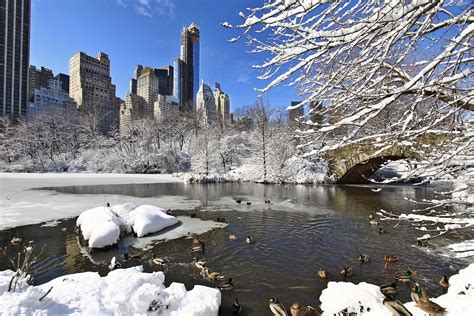
    무료 이미지 : 나무, 눈, 겨울, 새, 건축물, 다리, 지평선, 호수, 서리, 건물, 시티, 뉴욕, 맨해튼, 못, 얼음, 반사 ...

    맨해튼, 뉴욕, 미국 날씨:

    현재 날씨: 흐림, 73°F (23°C)

    일간 예보:

    • 수요일, 6월 18: 최저 기온: 69°F (21°C), 최고 기온: 89°F (32°C), 설명: 대체로 흐리고 오후에 몇 차례 뇌우가 내림
    • 목요일, 6월 19: 최저 기온: 65°F (18°C), 최고 기온: 89°F (31°C), 설명: 약간 흐림, 따뜻하고 습하며 오후에 강한 뇌우가 내림
    • 금요일, 6월 20: 최저 기온: 70°F (21°C), 최고 기온: 87°F (30°C), 설명: 대체로 맑음, 약한 바람이 불고 따뜻함
    • 토요일, 6월 21: 최저 기온: 71°F (21°C), 최고 기온: 91°F (33°C), 설명: 약간 흐리고 더움
    • 일요일, 6월 22: 최저 기온: 75°F (24°C), 최고 기온: 94°F (35°C), 설명: 약간 흐리고 더움
    • 월요일, 6월 23: 최저 기온: 79°F (26°C), 최고 기온: 94°F (34°C), 설명: 맑고 더움
    • 화요일, 6월 24: 최저 기온: 77°F (25°C), 최고 기온: 95°F (35°C), 설명: 흐릿하고 더움

    ☁️ 맨하튼의 기후는?

    **맨하튼(Manhattan)**은 뉴욕시 중심부에 위치한 미국 북동부의 대표 해안 도시로, 쾨펜의 습윤 아열대 기후(Cfa)에 속하며, 내륙 영향을 받는 습윤 대륙성 기후 특성도 함께 보입니다 .

    • 봄/가을: 기온 차 크고 변화무쌍.
    • 여름: 덥고 습하며, 잦은 오후 뇌우.
    • 겨울: 눈·비가 섞인 날 많고, 때때로 눈폭풍 가능.
      도시 열섬 현상으로 여름 야간 기온은 주변보다 3–5°C 높을 수 있고, 낮 최고 90°F(≈32°C) 초과 일수는 평균 17일입니다 (en.wikipedia.org, en.wikipedia.org).
      강수는 연중 고르게 분포하며, 연간 강수량은 약 49–50인치(≈1250 mm)입니다 (myperfectweather.com).

    📅 맨하튼 월별 날씨 요약표

    평균기온강수량날씨 특징 및 팁
    1월−3°C ~ 4°C57 mm눈·비 섞임, 패딩 필수
    2월−3°C ~ 5°C53 mm눈폭풍 가능, 방한모자
    3월1°C ~ 8°C78 mm일교차 큼, 얇은 코트
    4월6°C ~ 16°C94 mm봄 시작, 우산 챙김
    5월11°C ~ 21°C90 mm초여름, 가벼운 재킷
    6월17°C ~ 27°C90 mm덥고 습함, 땀·비 대비
    7월18°C ~ 29°C89 mm무더위, 자외선 주의
    8월19°C ~ 28°C92 mm더위 지속, 충분한 수분
    9월16°C ~ 25°C92 mm선선함, 가을 옷 시작
    10월10°C ~ 19°C86 mm가을 깊어짐, 스웨터
    11월5°C ~ 12°C91 mm초겨울, 코트 필수
    12월−1°C ~ 6°C103 mm맹추위, 담요·장갑

    기온 및 강수량은 Central Park 기준 (ny.com, pxhere.com, dreamstime.com, en.climate-data.org).


    🧥 맨하튼 여행 옷차림 요약

    • 봄/가을 (3–5월, 9–11월)
      • 얇은 니트, 바람막이 재킷, 청바지
      • 우산 또는 방수 재킷, 가벼운 스카프
    • 여름 (6–8월)
      • 반팔, 통풍 좋은 얇은 셔츠, 반바지
      • 모자, 선글라스, 자외선 차단제
      • 가벼운 우비나 우산 (풍성한 오후 뇌우 대비)
    • 겨울 (12–2월)
      • 롱패딩, 두꺼운 코트, 니트
      • 장갑, 목도리, 방한모자
      • 발목까지 오는 부츠, 내복

    🎯 맨하튼 여행 팁

    • 최적 여행 시기: 봄(4–5월)과 가을(9–10월)이 기온 적당하고 뇌우·눈 적음.
    • 여름 주의: 폭염·습도·열섬 현상으로 밤에도 무더운 날 많음(야간기온 25°C 이상). 충분한 수분 섭취·그늘·에어컨 활용 필요 .
    • 겨울 팁: 눈·비 혼합, 미끄러운 인도 많으니 방한·방수 부츠 필수.
    • 여행 준비물: 휴대용 우산·물병·자외선차단제·보온 액세서리
    • 지역 문화 & 이벤트:
      • 겨울엔 센트럴파크 스케이트, 크리스마스 마켓
      • 여름엔 브루클린 브리지 걷기, 루프탑 바 인기
      • 가을엔 맨해튼헨지(Manhattanhenge) 사진 촬영 좋은 시기 (pt.wikipedia.org)

    🧭 정리

    맨하튼은 연중 강수 고루, 여름엔 더위와 습도, 겨울엔 눈·비 혼합 특성이 뚜렷합니다. 따라서 스마트한 옷차림과 실용적인 준비물이 여행의 쾌적함을 좌우합니다. 다양한 시즌마다 매력적인 이벤트도 함께 즐겨보세요!


    📌 해시태그

    #맨하튼날씨 #맨하튼여행 #뉴욕날씨 #미국날씨 #날씨정보 #여행팁 #옷차림 #기후정보 #맨하튼기온 #맨하튼강수량 #맨하튼여름 #맨하튼겨울 #봄여행 #가을여행 #겨울여행 #여름여행 #센트럴파크 #뉴욕여행 #열섬현상 #맨해튼헨지

  • 아킬레스건 주위로 붓기와 국소적 통증이 있으면, 아킬레스건염 의심해보세요!

    아킬레스건염: 주요 증상과 통증 부위, 원인과 치료법, 예방법 완벽 가이드

    아킬레스건염은 운동을 즐기거나, 스포츠 선수는 물론 일상 생활에서도 자주 발생하는 만성 힘줄 질환입니다. 특히 발목 뒤쪽과 종아리 경계 부위에 위치한 아킬레스건에 염증이 발생한다면, 생활의 질이 크게 저하될 수 있습니다. 이번 포스팅에서는 아킬레스건염의 주요 증상, 원인, 효과적인 치료법과 예방법까지 꼼꼼하게 안내합니다.

    ## 아킬레스건염의 주요 증상과 통증 부위

    아킬레스건염이 생기면 가장 먼저 나타나는 증상은 **발뒤꿈치 위쪽, 아킬레스건 부위의 통증**입니다. 이런 통증은 다음과 같은 형태로 나타날 수 있습니다.

    – **아킬레스건 부위의 뻐근함 및 압통**
    평소 걷거나 오래 서 있는 것만으로도 불편함을 느낄 수 있습니다.
    – **아침에 첫 발걸음을 내딛을 때 극심한 통증**
    잠에서 깬 뒤 바닥을 디딜 때 유난히 강한 통증이 느껴집니다.
    – **운동 중/후 심한 불편감**
    달리기, 점프 등 반복적 움직임 후 통증의 악화가 흔히 나타납니다.
    – **붓기, 열감, 붉은 기운(발적)**
    염증이 심해지면 부어오르고 피부가 붉어지기도 합니다.
    – **아킬레스건 주위가 단단해지고 두꺼워짐**
    만졌을 때 딱딱해진 느낌이 들기도 합니다.

    이러한 증상이 1~2주 이상 지속된다면 단순 근육통이 아니라는 신호이니, 빠른 진단과 적절한 치료가 필요합니다.

    ## 아킬레스건염의 주요 원인

    아킬레스건염은 반복적 자극이나 무리한 사용, 생활 습관, 신체의 구조적 문제 등 다양하게 발생할 수 있습니다. 주요 원인은 다음과 같습니다.

    – **과도한 운동, 급격한 운동량 증가**
    평소보다 갑자기 운동량이 늘거나, 익숙하지 않은 격한 운동을 할 때 쉽게 발생합니다.
    – **잘못된 신발(딱딱하고 쿠션 없는 신발) 사용**
    발에 무리가 가는 신발은 아킬레스건에 반복된 스트레스를 유발합니다.
    – **나이(노화)로 힘줄 탄력 저하**
    40대 이후 힘줄의 유연성, 회복력이 떨어지기 때문에 발생 빈도가 높아집니다.
    – **평발 또는 발 아치 구조 이상**
    발의 구조가 이상하면 걸음걸이가 달라지고, 힘줄 부담이 가중됩니다.
    – **운동 전후 부족한 스트레칭**
    근육과 힘줄이 충분히 이완되지 않은 상태에서 운동 시 발생 위험이 커집니다.

    ## 아킬레스건염 진단 방법

    아킬레스건염은 대부분 증상과 신체검사(촉진, 통증부위 확인)만으로도 진단이 가능합니다. 더 정확한 진단을 원할 경우 다음과 같은 검사들을 활용합니다.

    – **초음파 검사** : 힘줄의 두께, 부종, 이상 유무를 확인할 수 있습니다.
    – **MRI 검사** : 힘줄 손상 정도나 염증 범위가 넓은지 확인할 때 필요합니다.

    ## 아킬레스건염 치료법

    아킬레스건염의 치료는 원인 제거와 통증 감소, 손상 회복에 초점을 맞춥니다. 단계별로 적용할 수 있는 치료법을 소개합니다.

    1. **충분한 휴식과 냉찜질**
    운동을 잠시 멈추고, 얼음찜질로 부기와 통증을 줄입니다.
    2. **소염진통제 복용**
    전문의 상담 후 약물을 일시적으로 사용하는 것이 도움이 될 수 있습니다.
    3. **스트레칭 및 종아리 근력 강화운동**
    아킬레스건과 종아리 근육을 부드럽게 풀어주는 스트레칭, 근육 강화운동을 꾸준히 실시합니다.
    4. **물리치료 및 테이핑**
    전문 물리치료사의 도움을 받아 통증을 완화하고, 테이핑으로 부위를 보호할 수 있습니다.
    5. **주사 치료/수술(심각한 경우)**
    만성적이거나 회복이 더딜 경우 스테로이드 주사나 드물게 수술적 치료까지 고려하게 됩니다.

    아킬레스건염은 단기간에 낫기 어려운 질환이므로, 꾸준한 관리가 중요합니다.

    ## 아킬레스건염 예방법 및 관리 요령

    아킬레스건염은 예방이 치료보다 훨씬 쉽고, 효과적이라는 것이 정설입니다. 생활습관에서 주의할 점을 꼭 기억하세요.

    – **운동 전후 꼼꼼한 스트레칭**
    발목, 종아리, 아킬레스건을 부드럽게 풀어줍니다.
    – **충분한 휴식과 점진적 운동량 증가**
    갑작스레 무리한 활동은 피하고, 휴식일을 꼭 넣으세요.
    – **쿠셔닝이 좋은 신발 착용**
    자신의 발에 맞는 신발을 신어 아킬레스건에 무리가 가지 않게 합니다.
    – **체중 관리**
    과체중은 힘줄에 불필요한 부담을 주기 때문에 체중 조절이 필수입니다.
    – **조기 증상 발견 시 신속한 진료**
    작은 통증도 무시하지 말고 병원 진료를 받는 것이 만성화 예방에 도움됩니다.

    ## Q&A: 아킬레스건염 자주 묻는 질문

    **Q1. 아킬레스건염은 자연적으로 회복될까요?**
    A1. 초기에는 휴식과 냉찜질만으로 회복될 수 있지만, 증상이 2주 이상 지속된다면 전문적인 치료가 필요합니다. 방치하면 만성화, 힘줄 파열 등 심각한 합병증이 생길 수 있습니다.

    **Q2. 스트레칭은 언제, 어떻게 해야 도움이 될까요?**
    A2. 운동 전후로 진행하는 것이 가장 좋으며, 통증이 없을 때 천천히 부담이 가지 않는 선에서 실시해야 합니다.

    **Q3. 아킬레스건염 진단 후 운동을 완전히 중단해야 하나요?**
    A3. 초기에는 가급적 쉬는 것이 좋으나, 통증이 줄면 전문가의 지도 하에 가벼운 운동과 근력 강화운동으로 재활을 시작할 수 있습니다.

    **Q4. 한 번 걸리면 재발 가능성이 높은가요?**
    A4. 올바른 운동습관을 유지하고, 신발 착용/스트레칭 관리에 주의한다면 재발 위험은 현저히 줄어듭니다.

    ## 결론

    아킬레스건염은 일상 속 작은 부주의로도 발생할 수 있지만, 예방수칙만 잘 지켜도 충분히 관리할 수 있는 질환입니다. 증상에 빠르게 대처하고, 올바른 운동습관 및 맞춤 신발 고르기, 유연성 강화에 신경을 쓴다면 건강하고 즐거운 삶을 지켜낼 수 있습니다.

    활동량이 많은 현대인이라면 누구나 아킬레스건염의 위험에서 자유로울 수 없습니다. 오늘부터라도 위 내용들을 실천하여 건강한 발과 힘줄을 지켜보시길 바랍니다!

  • Overhead activity pain, Rotator Cuff Tear

    Rotator Cuff Tear: A Comprehensive Guide for Shoulder Health
    =================================================

    **Introduction**
    —————–

    Shoulder pain is a common complaint that affects people of all ages, often interfering with daily life and physical activity. One of the most frequent causes is a rotator cuff tear, a condition that can significantly impact shoulder function. The rotator cuff is vital for stabilizing the shoulder and enabling a wide range of arm movements. Understanding the prevalence, risks, symptoms, and treatments associated with rotator cuff tears is essential for anyone experiencing shoulder discomfort, regardless of their age or activity level. This blog post provides a thorough overview of rotator cuff tears, empowering you to recognize symptoms early, seek appropriate care, and take steps toward recovery.

    What is the Rotator Cuff?
    ————————-

    The rotator cuff is a group of four muscles and tendons located in the shoulder, specifically designed to stabilize the ball-and-socket joint where the upper arm bone (humerus) meets the shoulder blade (scapula). These muscles—supraspinatus, infraspinatus, teres minor, and subscapularis—not only keep the shoulder joint in place but also control its delicate and powerful motions.

    The main functions of the rotator cuff include lifting and rotating the arm, as well as maintaining shoulder stability during repetitive and forceful movements. Injuries to the rotator cuff are common and can range from simple strains and inflammation to partial or complete tendon tears. While mild strains may heal with conservative care, significant tears often require medical attention.

    Causes of Rotator Cuff Tear
    —————————

    **Acute Causes (Injury/Trauma):**
    A sudden injury—such as falling on an outstretched arm, lifting a heavy object with a jerking motion, or a direct blow—can lead to an acute rotator cuff tear. These are more common among younger individuals or athletes involved in contact sports.

    **Chronic Causes (Overuse, Degeneration):**
    Over time, repetitive overhead motions (like painting, carpentry, or swimming) can cause wear and degeneration of the rotator cuff tendons, especially in people over 40. This kind of chronic, degenerative tear is often seen in those with physically demanding occupations.

    **Sports and Activities Linked to Tears:**
    Baseball, tennis, weightlifting, and other activities that require repetitive shoulder use increase the risk of both acute and chronic tears.

    **Age-Related Factors:**
    As we age, the blood supply to the rotator cuff tendons diminishes, reducing their natural healing ability and making them more susceptible to degeneration and tears.

    Symptoms of Rotator Cuff Tear
    —————————–

    Recognizing the signs of a rotator cuff tear is essential for prompt treatment:

    – **Pain and Location:** Persistent shoulder pain, often worsening at night or when lying on the affected side.
    – **Weakness and Mobility Issues:** Difficulty lifting or rotating the arm, especially overhead.
    – **Noises or Sensations:** A clicking or popping sound when moving the shoulder, or a catching sensation.
    – **When to Seek Medical Attention:** If you experience sudden pain following an injury, inability to move the arm, or a rapid decline in shoulder strength, consult a healthcare professional immediately.

    Diagnosis
    ———

    A thorough diagnosis involves the following:

    – **Physical Examination:** A doctor assesses shoulder strength, movement range, and pain points.
    – **Imaging Tests:** MRI, ultrasound, and X-ray help visualize the extent of tendon damage and rule out other issues.
    – **Self-assessment Tips:** If pain persists for several weeks or limits your activities, professional evaluation is crucial.

    Treatment Options
    —————–

    Treatment depends on the severity of the tear, patient age, activity level, and overall health:

    – **Conservative Management:** Rest, ice, and physical therapy can effectively treat mild or partial tears, focusing on reducing inflammation and restoring movement.
    – **Medications and Injections:** Anti-inflammatory drugs or corticosteroid injections may be prescribed to control pain and swelling.
    – **Surgical Treatments:** Complete tears, persistent pain, or significant loss of function may require surgery to reattach the tendon. Advances in minimally invasive arthroscopic techniques have improved recovery times.
    – **Factors Affecting Treatment Choices:** Decision-making involves tear size, tissue quality, patient needs, and risks or contraindications to surgery.

    Recovery and Rehabilitation
    —————————

    Recovery varies based on the severity of the tear and treatment chosen:

    – **Post-Treatment Recovery Timeline:** Nonsurgical management generally requires 6-12 weeks; surgical recovery can span 4-6 months.
    – **Physical Therapy and Exercises:** Rehabilitation is vital for restoring shoulder strength, flexibility, and function. A physiotherapist tailors exercises to your injury and goals.
    – **Tips for Preventing Re-injury:** Always warm up, avoid overuse, and gradually increase shoulder activity, especially after an injury.

    Prevention
    ———-

    Keep your shoulders healthy by:

    – **Shoulder Strengthening Exercises:** Focus on rotator cuff and upper back strengthening routines to support shoulder stability.
    – **Lifestyle Modifications:** Maintain a healthy weight and avoid repetitive overhead activities when possible.
    – **Early Detection and Regular Check-ups:** Consulting a doctor early if experiencing shoulder pain allows for preventative measures before severe damage occurs.

    FAQs about Rotator Cuff Tear
    —————————-

    **Q: Can a Rotator Cuff Tear Heal on Its Own?**
    A: Small partial tears sometimes heal with rest and physical therapy. However, complete tears often require surgical repair.

    **Q: How Long Does Recovery Take?**
    A: Recovery time varies. Nonsurgical treatment may resolve symptoms in 6-12 weeks; surgical recovery may take up to 6 months.

    **Q: Is Surgery Always Necessary?**
    A: Not always. Many small or partial tears respond well to conservative treatments.

    **Q: What is the Impact on Sports and Activities Post-Recovery?**
    A: With proper rehab, most people return to their previous level of activity, but this can depend on the extent of the injury and rehabilitation commitment.

    Conclusion
    ———-

    To summarize, rotator cuff tears are a leading cause of shoulder pain and disability. Recognizing symptoms early, obtaining a professional diagnosis, and following a tailored treatment and rehabilitation plan greatly improve the chances of full recovery. Don’t ignore persistent shoulder pain—early intervention is key to regaining strength and mobility. For more information, consult reputable sites like the American Academy of Orthopaedic Surgeons or discuss concerns with your healthcare provider.

    SEO Tips
    ——–

    – Use related keywords throughout your content: **shoulder pain, shoulder injury, tendon tear, physical therapy, rotator cuff tear**.
    – Link internally to your blog’s shoulder injury content, and externally to credible sources (e.g., Mayo Clinic, AAOS).
    – Optimize images: add descriptive alt text like “Rotator cuff anatomy diagram” or “Physical therapy exercises for shoulder tears.”
    – Encourage reader questions, comments, and sharing via social media for increased engagement and SEO reach.

    **Rotator Cuff Tear: Everything You Need to Know for Healthier Shoulders and a Pain-Free Life!**

  • [시드니] 날씨 총정리|월별 기온 & 강수량, 여행 옷차림까지 한눈에!

    Aerial cityscape of Parramatta river at Sydney harbour and city CBD skyline architecture ...

    시드니, 오스트레일리아 날씨:

    현재 날씨: 화창, 46°F (8°C)

    일간 예보:

    • 화요일, 6월 17: 최저 기온: 44°F (7°C), 최고 기온: 66°F (19°C), 설명: 맑음
    • 수요일, 6월 18: 최저 기온: 41°F (5°C), 최고 기온: 62°F (16°C), 설명: 맑음
    • 목요일, 6월 19: 최저 기온: 43°F (6°C), 최고 기온: 61°F (16°C), 설명: 약간 흐림
    • 금요일, 6월 20: 최저 기온: 47°F (8°C), 최고 기온: 64°F (18°C), 설명: 흐릿함
    • 토요일, 6월 21: 최저 기온: 48°F (9°C), 최고 기온: 66°F (19°C), 설명: 흐릿함
    • 일요일, 6월 22: 최저 기온: 49°F (10°C), 최고 기온: 68°F (20°C), 설명: 약간 흐림
    • 월요일, 6월 23: 최저 기온: 55°F (13°C), 최고 기온: 71°F (22°C), 설명: 대체로 맑음

    [시드니] 날씨 총정리|월별 기온 & 강수량, 여행 옷차림까지 한눈에!


    ☁️ 시드니의 기후는?

    **시드니(Sydney)**는 호주 뉴사우스웨일스주 남동부 해안에 위치한 도시로, **습윤 아열대 기후(Cfa)**를 띠며, 여름은 따뜻하고 겨울은 비교적 온화한 편입니다 .

    • 여름(12–2월): 평균 최고 26–27 °C, 강수량 증가, 뇌우·습도 높음 (metoffice.gov.uk)
    • 가을(3–5월): 평균 14–23 °C, 습도 낮고 쾌적한 시기
    • 겨울(6–8월): 평균 8–17 °C, 맑은 날 많고 선선함 (australia.com)
    • 봄(9–11월): 평균 11–23 °C, 낮은 강수량, 여행 적기 (australia.com)

    연간 평균기온은 18 °C, 강수량은 약 900–1150 mm로, 계절별 차는 크지 않습니다 (en.climate-data.org).


    📅 시드니 월별 날씨 요약표

    평균기온강수량날씨 특징 및 팁
    1월20 ~ 27 °C96 mm무더위, 자외선 주의
    2월19 ~ 27 °C129 mm뇌우, 습기 많음
    3월17 ~ 26 °C111 mm가을 시작, 습도 낮음
    4월14 ~ 23 °C141 mm시원, 비 약간
    5월11 ~ 20 °C120 mm선선, 외투 필요
    6월9 ~ 18 °C117 mm선선하고 맑음
    7월8 ~ 17 °C80 mm최저기온, 건조
    8월11 ~ 19 °C94 mm맑음, 여행 적기
    9월13 ~ 22 °C70 mm봄, 습도 낮음
    10월15 ~ 23 °C83 mm따뜻, 꽃 개화
    11월17 ~ 25 °C104 mm초여름, 맑음
    12월19 ~ 26 °C122 mm여름 시작, 햇살 좋음

    ※ 강수량 기준: 1 in ≈ 25.4 mm (en.wikipedia.org, dreamstime.com, en.wikipedia.org).


    🧥 시드니 여행 옷차림 요약

    • 봄/가을 (3–5, 9–11월)
      • 얇은 니트, 가디건, 긴팔 셔츠
      • 방풍 재킷 또는 얇은 겉옷
      • 가벼운 스카프, 우산 또는 레인 재킷
    • 여름 (12–2월)
      • 반팔, 민소매, 린넨 셔츠
      • 선크림, 선글라스, 모자
      • 샌들&얇은 운동화
      • 얇은 비옷이나 우비(뇌우 대비)
    • 겨울 (6–8월)
      • 니트, 후디, 경량 패딩
      • 목도리, 장갑, 워킹 부츠
      • 따뜻한 양말, 레인 재킷 추천

    🎯 시드니 여행 팁

    • 최적 여행 시기: **봄(9–11월)**과 **가을(3–5월)**은 기온·습도·강수량 모두 적절해 여행하기 좋습니다.
    • 해변 활동: 여름 해수욕은 가능하지만 습하고 뇌우가 자주 발생합니다.
    • 현지 추천 명소: 본다이 비치, 오페라 하우스, 블루 마운틴 국립공원, 로열 보타닉 가든
    • 특산물 체험: 맥쿼리 항구 크루즈, 하버 브리지 클라임 추천
    • 이벤트: 6–8월 고래 관찰 시즌, 12월 연말 축제, 1월 새해 불꽃놀이
    • 기상 유의사항: 여름 시즌 열지형성 폭우·천둥번개 가능성, 우기엔 갑작스러운 강수 대비

    📝 요약 정리

    시드니는 4계절 내내 여행하기 좋은 도시로, 특히 봄·가을은 낮선 여행자에게 최적의 로케이션입니다. 풍부한 문화유산과 멋진 자연, 다양한 액티비티가 조화를 이루며, 계절별 옷차림과 여행 준비만 잘 챙긴다면 어디서나 즐거운 시간이 보장됩니다.


    #시드니다날씨 #시드니여행 #Australia날씨 #뉴사우스웨일즈날씨 #날씨정보 #여행팁 #옷차림 #기후정보 #시드니여름 #시드니겨울 #시드니기온 #시드니강수량 #시드니코디 #호주여행 #시드니봄가을 #해변여행 #시드니관광 #시드니해변 #시드니기후 #시드니여행준비