todaymedi

  • 아침에 일어나 첫 발을 내디딜때의 통증, 족저근막염

    “`html


    족저근막염 주요 증상 및 발바닥 통증 완화 방법 완벽 정리


    족저근막염 주요 증상 및 발바닥 통증 완화 방법 완벽 정리

    족저근막염이란?

    족저근막염(Plantar Fasciitis)은 발바닥에 위치한 두꺼운 섬유 띠인 족저근막에 미세한 손상이 반복적으로 발생하면서 염증과 통증을 유발하는 질환입니다. 주로 발꿈치 안쪽에 압통이 느껴지거나, 발바닥 전체에 불편감이 나타나는 것이 특징입니다.

    족저근막은 걷거나 뛰는 매순간 우리 체중을 효과적으로 분산시키고, 발에 안정성을 제공하는 역할을 하는데요. 무리한 사용이나 체중 증가, 신체 구조적 이상 등 다양한 요인으로 인해 족저근막에 과도한 자극이 가해지면 미세 손상과 염증이 발생하게 됩니다. 그러다보니 일상 생활 중 흔하게 경험할 수 있는 질환이지만, 방치할 경우 만성 통증으로 삶의 질 저하까지 이어질 수 있어 초기에 정확한 이해와 관리가 중요합니다.

    주요 증상 및 발바닥 통증 부위

    • 아침에 침대에서 일어난 직후 첫발을 딛을 때 극심한 발꿈치 또는 발바닥 통증
    • 장시간 걷거나 오래 서 있을 경우, 혹은 활동 후 통증이 점점 심해짐
    • 몇 분간 휴식하면 통증이 가라앉다가, 다시 움직일 때 통증이 재발함
    • 발바닥 중앙이나 발꿈치 안쪽을 누르면 촉진되는 압통
    • 경우에 따라서는 족저근막 자체가 두꺼워지고, 발바닥이 뻣뻣해지는 느낌이 들기도 함

    특히 아침 첫발에 통증이 심했다가, 하루가 지나며 점차 둔해지는 양상이 가장 전형적입니다. 불규칙한 통증이 반복되면, 일상활동 및 운동이 어려울 만큼 불편함을 초래할 수 있습니다.

    족저근막염 발생 원인

    • 지속적인 체중 부담 및 과사용: 하루 종일 장시간 걷거나 서 있는 직업, 반복적 달리기, 오래 서 있는 습관 등이 원인이 될 수 있습니다.
    • 발의 구조적 이상: 평발(아치가 낮은 발) 혹은 요족(아치가 높은 발)의 경우 발에 가해지는 압력이 비정상적으로 분포해 족저근막 손상에 취약합니다.
    • 딱딱한 바닥에서의 장시간 활동: 쿠션감 부족한 바닥에서의 생활, 운동 등도 발에 부담을 더합니다.
    • 불편한 신발 착용: 쿠션이 없거나 뒤꿈치가 단단한 신발, 오래된 운동화 등은 족저근막에 충격을 더 줍니다.
    • 비만 및 급격한 체중 증가: 갑작스러운 체중 증가는 족저근막에 반복적인 압박을 가해 염증 유발 가능성을 높입니다.

    이외에도 나이(40~60대에서 흔함), 잘못된 보행 습관, 발근육의 유연성 저하 등도 발병과 밀접한 관련이 있습니다.

    진단 방법

    • 의학적 병력 청취 및 발바닥 부위의 국소 압통, 뻣뻣함 등 신체검사가 진단의 기초입니다.
    • 보통 X-ray 또는 초음파 등을 통해 족저근막의 두께, 염증 유무, 족저 근막에 칼슘 침착이 생겼는지 등 세부적인 상태를 확인합니다.
    • 환자의 증상이나 이미징 결과에서 족저근막염이 확실할 경우에도, 유사한 발통(예: 피로 골절, 신경 문제, 류마티스성 관절염 등)과 감별진단이 필요합니다.

    정확한 진단을 위해, 발바닥 통증이 수주 이상 지속되거나 평소와 다른 양상의 통증이 생긴 경우에는 전문의 진료를 권장합니다.

    족저근막염 치료 및 관리법

    1. 휴식 및 생활습관 개선: 족저근막에 부담을 주는 활동(오래 걷기, 장시간 서 있기) 줄이고, 가능하다면 전체 체중을 줄이는 것이 기본입니다.
    2. 물리치료: 꾸준한 족저근막 스트레칭(발가락/종아리 늘리기), 엄지 볼 부위 마사지, 얼음찜질이 대표적입니다. 아침에 일어나기 전에 발가락을 천천히 당겨주거나, 수건 스트레칭을 하는 것이 효과적입니다.
    3. 적절한 신발 착용: 쿠션이 충분한 런닝화, 충격 흡수용 깔창 또는 발뒤꿈치 패드 권장합니다. 오랫동안 신고 다닌 낡은 신발은 피하세요.
    4. 약물치료: 심한 통증에는 소염진통제 (NSAIDs)나, 병원에서는 국소적인 스테로이드 주사 등을 사용할 수 있습니다. 단, 반복적 스테로이드 주사는 족저근막 근육 약화를 유발할 수 있으니 주의해야 합니다.
    5. 특수치료: 만성화·재발 시에는 충격파 치료(ESWT), 성인 줄기세포 치료 등 비수술적 요법 또는 극히 드문 경우 수술적 치료가 고려됩니다.

    대부분의 족저근막염은 위와 같은 보존적 치료만으로도 상당한 호전을 기대할 수 있으며, 치료 기간은 보통 6주에서 6개월까지 개개인별로 상이합니다.
    무엇보다 중요한 것은 증상이 호전되었다고 관리/운동을 소홀히 하지 않는 습관입니다.

    족저근막염 예방 방법

    • 매일 간단한 발바닥 및 종아리 스트레칭 실시
    • 꾸준한 체중 관리로 발에 가해지는 부담 줄이기
    • 충격 흡수가 잘 되는 신발 착용, 낡으면 교체
    • 운동 전후에는 반드시 스트레칭 및 워밍업
    • 외출 후에는 발 마사지 및 냉찜질로 근육 피로 풀어주기

    발은 제2의 심장이라 불릴 만큼 우리 몸에서 중요한 역할을 합니다. 사전에 올바른 생활습관을 확립하면 족저근막염 예방에 큰 도움이 됩니다.

    족저근막염 자주 묻는 질문(FAQ)

    1. 족저근막염 자연치유 가능한가요?
    네. 초기 단계라면 활동 조절과 스트레칭 등 생활습관 개선만으로도 호전될 수 있습니다. 다만, 통증이 수개월간 반복되거나 만성화될 경우엔 반드시 전문가의 진료 및 치료가 필요합니다.
    2. 족저근막염 치료 기간은 어느 정도인가요?
    일반적으로 6주에서 6개월까지 다양합니다. 연령, 생활습관, 족저근막 두께 및 손상 정도 등에 따라 다르며, 치료 도중 증상이 호전되더라도 관리와 예방법을 계속 실천하는 것이 재발 방지에 중요합니다.
    3. 운동을 계속해도 되나요?
    통증이 극심하거나 불편감이 심한 경우라면 운동을 잠시 중단하고 휴식이 필요합니다. 증상 완화 시에는 무리하지 않고, 점진적으로 가벼운 걷기나 스트레칭 등부터 재개하면 좋습니다.
    4. 족저근막염과 유사한 증상은?
    발바닥 피로 골절, 신경 포착, 류마티스성 관절염 등도 유사한 증상을 보일 수 있으므로, 정확한 진단을 받는 것이 필요합니다.
    5. 족저근막염을 이겨낸 사람들의 경험담은?
    대부분은 스트레칭과 체중조절, 신발 교체만으로 호전 경험을 갖고 있습니다. 그러나 충분한 치료와 관리 없이는 재발률이 높으니, 끝까지 성실하게 관리하는 것이 중요하다고 입을 모읍니다.

    족저근막염은 흔한 질환이지만, 방치하면 만성 통증으로 이어질 수 있습니다.
    정확한 진단 및 꾸준한 예방·치료습관만이 가장 현명한 대처법입니다.
    족저근막염과 발바닥 통증에 대해 궁금한 점이 있으시면 가까운 병원에서 전문가와 꼭 상담해 보세요.


    “`

  • Pain in the front of the knee, Patellar Chondromalacia

    Patellar Chondromalacia: Causes, Symptoms, Diagnosis, and Effective Treatment

    **Introduction to Patellar Chondromalacia**

    Patellar Chondromalacia, also known as chondromalacia patellae or “runner’s knee,” refers to a softening and breakdown of the cartilage on the underside of the kneecap (patella). This cartilage acts as a shock absorber and allows smooth movement of the knee joint. When it becomes damaged, it can cause pain and hinder daily activities. Knee cartilage health is vital, as this tissue protects bones from rubbing against one another and plays a crucial role in maintaining knee function.

    **Causes and Risk Factors**

    Chondromalacia patella results from the degeneration or deterioration of cartilage. Common causes include injury, overuse from high-impact sports, or abnormal knee alignment. Repetitive stress on the knee, such as frequent squatting, jumping, or running, can accelerate cartilage wear and tear.

    Certain factors increase the risk of developing patellar chondromalacia:
    – **Age**: Adolescents and young adults are commonly affected, but it can also develop in older adults as cartilage wears down with age.
    – **Activity Level**: Athletes participating in high-impact sports, such as soccer, basketball, and running, are at greater risk.
    – **Anatomical Factors**: Flat feet, high kneecaps, or muscles imbalances in the leg can lead to improper alignment, increasing stress on the knee joint.
    – **Previous Injuries**: A history of patellar dislocations or fractures can predispose individuals to cartilage damage.

    **Signs and Symptoms**

    People with patellar chondromalacia typically experience a dull, aching pain in the front of the knee, especially during activities such as climbing stairs, squatting, kneeling, or sitting for prolonged periods with knees bent. Other common symptoms include:
    – Swelling around the kneecap
    – A grinding or cracking sensation during knee movement (crepitus)
    – Stiffness and reduced range of motion

    If knee pain limits activity, persists for several weeks, or is accompanied by swelling and locking, it is important to consult a healthcare professional. Early intervention can help prevent further joint damage.

    **Diagnosis of Patellar Chondromalacia**

    Diagnosis begins with a thorough physical examination. Doctors may assess knee movement, tenderness, swelling, and crepitus. They may perform specific pain-provoking maneuvers to reproduce the symptoms.

    Imaging tests can confirm the diagnosis and assess the extent of cartilage damage:
    – **X-rays**: Useful to rule out other bone-related conditions
    – **MRI (Magnetic Resonance Imaging)**: Provides detailed images of soft tissues, including cartilage
    – **CT scans**: Reveal bone alignment and can detect subtle changes

    Early diagnosis allows for timely management, reducing the risk of chronic knee problems and helping patients return to their activities swiftly.

    **Effective Treatment Options**

    Treatment for patellar chondromalacia focuses on controlling pain, promoting healing, and preventing further cartilage breakdown. Most cases improve with conservative treatment:

    – **Home Care and Conservative Management**
    – Rest the knee and avoid aggravating activities
    – Apply ice packs to reduce pain and swelling
    – Use over-the-counter pain relievers like acetaminophen or NSAIDs

    – **Physical Therapy**
    – Strengthening exercises for the quadriceps, hamstrings, and hip muscles for better knee alignment and stability
    – Stretching tight muscles
    – Low-impact activities, such as swimming and cycling, promote healing

    – **Medical Interventions**
    – Physicians might recommend corticosteroid injections for severe pain or swelling
    – In rare chronic cases, hyaluronic acid injections may be used

    – **Surgical Options**
    – Reserved for advanced cases unresponsive to other therapies
    – Procedures may include smoothing the cartilage (chondroplasty), realigning the patella, or cartilage transplantation

    **Prevention and Long-Term Care**

    Preventing patellar chondromalacia involves maintaining a healthy lifestyle and employing proper exercise techniques:
    – **Weight Management**: Keeping a healthy body weight reduces stress on the knees
    – **Proper Warm-up and Stretching**: Before physical activities, to prepare muscles and joints
    – **Strength Training**: Focus on quadriceps and hip abductor muscles for better knee stability
    – **Wearing Supportive Shoes**: Corrects poor foot alignment

    Resume activities gradually and follow your healthcare provider’s recommendations to lower the risk of recurring symptoms.

    **FAQs About Patellar Chondromalacia**

    **Q: Can I keep exercising with chondromalacia patella?**
    A: Yes, but choose low-impact activities like swimming or cycling. Avoid exercises that put pressure on the knees until symptoms improve.

    **Q: Will the cartilage heal completely?**
    A: Cartilage has limited regenerative capacity, but early treatment can control symptoms and slow progression.

    **Q: When should I see a doctor?**
    A: If knee pain is persistent, worsens, or limits your daily activities, seek medical attention for a proper diagnosis.

    **Q: Can surgery cure chondromalacia patella?**
    A: Surgery can help in severe cases, but most people experience symptom relief with non-surgical treatments.

    For more information, consult organizations like the American Academy of Orthopaedic Surgeons or a local orthopedic specialist.

    **Conclusion**

    Patellar chondromalacia is a common knee disorder, particularly among active individuals and adolescents. Proper understanding of its causes, symptoms, and treatment is essential for effective management and prevention. If knee pain persists, consult a healthcare professional for personalized treatment and to protect your long-term joint health. Early intervention is key to maintaining an active lifestyle and preventing joint degeneration.

    **영문 번역본 (English Translation Above)**

    *(The content above is already in English and optimized for an SEO blog post as requested.)*

  • 바르셀로나 날씨 총정리|월별 기온 & 강수량, 여행 옷차림까지 한눈에!

    바르셀로나, 카탈루냐, 스페인 날씨:

    현재 날씨: 약한 비, 79°F (26°C)

    일간 예보:

    • 금요일, 6월 13: 최저 기온: 67°F (20°C), 최고 기온: 85°F (30°C), 설명: 구름이 줄어들고 습함
    • 토요일, 6월 14: 최저 기온: 71°F (22°C), 최고 기온: 83°F (28°C), 설명: 약간 흐림
    • 일요일, 6월 15: 최저 기온: 70°F (21°C), 최고 기온: 82°F (28°C), 설명: 약간 흐리고 습함
    • 월요일, 6월 16: 최저 기온: 69°F (20°C), 최고 기온: 84°F (29°C), 설명: 대체로 맑음
    • 화요일, 6월 17: 최저 기온: 69°F (21°C), 최고 기온: 84°F (29°C), 설명: 대체로 맑음
    • 수요일, 6월 18: 최저 기온: 70°F (21°C), 최고 기온: 86°F (30°C), 설명: 맑고 따뜻함
    • 목요일, 6월 19: 최저 기온: 70°F (21°C), 최고 기온: 87°F (30°C), 설명: 흐릿하고 따뜻함

    [도시명] → 바르셀로나 날씨 총정리|월별 기온 & 강수량, 여행 옷차림까지 한눈에!


    ☁️ 바르셀로나의 기후는?

    • 지중해성 기후(Mediterranean climate, Köppen Csa)로, 여름은 덥고 건조, 가을·겨울은 온화하지만 비가 자주 (en.wikipedia.org).
    • 연평균 최고기온 약 21°C, 최저 15°C .
    • 겨울(1–2월): 낮 15°C·밤 9°C, 가끔 한파·서리 .
    • 여름(6–8월): 낮 28–29°C·밤 22°C, 강수 적음 (metoffice.gov.uk).
    • 가을(10월): 도시에서 비 가장 많음—94 mm~98 mm, 습도 높고 오전·밤 흐림 (en.climate-data.org).
    • 연간 강수일 약 55일, 강수량 ≈ 588 mm .
    • 햇살 풍부: 연간 햇빛 시간 2,524시간, 7월 평균 10시간/일 (en.wikipedia.org).
    • 여행 성수기: 6~9월 맑고 따뜻해 해변·야외 활동 적합, 다만 자외선과 더위 대비 필수.

    📅 바르셀로나 월별 날씨 요약표

    평균기온강수량날씨 특징 및 팁
    1월5°C ~ 14°C35 mmMild·서리 드문
    2월6°C ~ 15°C32 mmMild·간헐적 비
    3월8°C ~ 16°C38 mm봄 시작·일교차
    4월10°C ~ 19°C48 mm봄·우기
    5월14°C ~ 22°C43 mm덥고 맑음
    6월18°C ~ 26°C26 mm여름·건조
    7월21°C ~ 28°C27 mm무더위·강수 거의 없음
    8월21°C ~ 29°C48 mm피크 시즌·자외선 주의
    9월18°C ~ 26°C87 mm가을 시작·비 늘어남
    10월14°C ~ 22°C82 mm가장 습함·비 대비 필수
    11월9°C ~ 18°C48 mm온화·간헐적 비
    12월6°C ~ 15°C34 mm윈터 시즌·서리 가능성 낮음

    월별 데이터 기반: 온도—timeanddate.com (timeanddate.com, en.wikipedia.org), 강수량—climate-data.org, Weather-and-Climate.com (en.climate-data.org).


    🧥 바르셀로나 여행 옷차림 요약

    • 봄/가을 (35,1011월)
      • 얇은 니트 + 가디건/경량 재킷
      • 우산 또는 방수 재킷
      • 저녁엔 가벼운 스카프나 머플러 추천
    • 여름 (6~8월)
      • 반팔 티·린넨 셔츠·반바지
      • 선글라스·모자·선크림 필수
      • 저녁엔 선선하므로 얇은 가디건 준비
    • 겨울 (12~2월)
      • 가벼운 코트·패딩 라이트
      • 머플러 및 장갑 추천
      • 기온 낮은 날엔 이너웨어 활용

    🎯 바르셀로나 여행 팁

    • 최적 시기: 5~6월, 9월 – 날씨 쾌적, 비 적고 관광 적기
    • 주의사항:
      • 10월엔 갑작스런 비와 고습도 주의
      • 여름철 자외선 최고치까지 올라가므로 피부 보호 필수
      • 겨울에도 서리·눈 드물지만, 산간 지역은 예외
    • 지역 특산 연관:
      • 해산물 인기 레스토랑 대부분 야외 테라스 운영—맑은 날씨에 최적
      • 가을엔 와인 축제·프라이메라 축제 많음—비 예보 시 우산 챙기기
    • 현지 문화 및 이벤트:
      • 6월 “La Mercè” 축제: 거리 공연·파이어 런, 밤늦게까지 외출
      • 해변 활동 시 저녁엔 바닷바람 있어 얇은 겉옷 챙기기
    • 실용 팁:
      • 일교차 있어 계절별 레이어드(겹쳐 입기) 스타일 추천
      • 비 오는 날은 미끄럼 없는 신발 필수
      • 여름철은 호텔 및 항공권 가격 높아 미리 예약 권장

    #바르셀로나날씨 #바르셀로나여행 #스페인날씨 #유럽날씨 #날씨정보 #여행팁 #옷차림 #기후정보 #바르셀로나기온 #바르셀로나강수량 #바르셀로나코디 #바르셀로나여름 #바르셀로나겨울 #여행준비 #여행옷차림

  • 관절에서 소리가 나요, 무릎 부위 통증이 있으면 무릎 연골손상 의심해보세요!

    무릎 연골손상 주요 증상과 통증 부위 – 원인부터 치료까지

    무릎은 우리 일상생활에서 걷기, 뛰기, 계단 오르내리기 등 다양한 움직임에 중요한 역할을 합니다. 하지만 반복된 사용과 운동, 노화 등 여러 이유로 무릎 연골이 손상될 수 있는데, 이를 ‘무릎 연골손상’이라고 부릅니다. 이 글에서는 무릎 연골손상의 주요 원인, 증상, 통증 부위, 진단과 치료법, 그리고 예방법까지 꼼꼼히 살펴봅니다.

    무릎 연골손상이란?
    무릎 연골손상은 무릎 관절 내에서 뼈와 뼈 사이를 보호하고 충격을 흡수하는 연골이 마모되거나 찢어지는 질환입니다. 손상된 연골은 스스로 회복이 어렵기 때문에 조기에 발견하여 적극적으로 관리하는 것이 핵심입니다. 특히 운동 선수, 활동량이 많은 사람, 또는 중장년층에게 자주 발생합니다.

    무릎 연골손상의 주요 원인
    1. 스포츠 외상 및 무릎 부딪힘
    축구, 농구, 배드민턴 등 갑작스러운 방향 전환과 점프가 반복되는 스포츠에서 무릎에 강한 충격이 가해지면 연골 손상이 잘 발생합니다.

    2. 반복적이고 과중한 관절 사용
    장시간 걷거나, 무거운 짐을 자주 드는 등 반복적이고 무리가 가는 행동 역시 연골에 손상을 초래할 수 있습니다.

    3. 노화에 따른 퇴행성 변화
    나이가 들면서 연골은 자연스럽게 점점 얇아지고 닳습니다. 이로 인해 별다른 외상 없이도 연골손상이 서서히 진행될 수 있습니다.

    4. 비만 또는 하체 근력 약화
    체중이 많이 나가면 무릎 관절에 더 큰 하중이 지속적으로 가해져 연골 손상을 유발합니다. 또한 하체 근육이 약하면 무릎 관절을 제대로 지지하지 못해 손상 위험이 높아집니다.

    무릎 연골손상의 주요 증상과 통증 부위
    무릎 연골손상이 있을 때 느낄 수 있는 대표적인 증상은 다음과 같습니다.

    – 무릎 통증:
    가장 흔한 증상입니다. 주로 계단을 오르내릴 때, 장시간 걷거나 운동 시에 무릎 앞쪽 또는 안쪽에서 뻐근함, 찌릿한 통증이 발생합니다.

    – 부종(붓기):
    손상 부위 주변으로 붓기가 나타나며, 눌렀을 때 압통이 느껴질 수 있습니다.

    – 무릎 잠김(락킹):
    무릎이 순간적으로 잘 펴지지 않거나 딱 걸린 느낌이 들기도 합니다.

    – 관절 뻣뻣함:
    아침에 일어나거나 오랜 시간 앉아있다 움직일 때 무릎이 뻣뻣하게 느껴집니다.

    – 힘 빠짐:
    계단을 오르내릴 때나 뛰는 동작에서 무릎에 힘이 실리지 않고 풀리는 듯한 느낌이 듭니다.

    이런 증상이 반복된다면 조기 진단을 받아야 합니다.

    무릎 연골손상 진단 방법
    연골손상이 의심되면 정형외과 전문의를 찾아 정확한 진단을 받아야 합니다.
    – 문진 및 신체검사:
    환자의 증상, 통증 위치, 일상생활 패턴 등을 꼼꼼히 확인합니다.
    – X-ray 촬영:
    뼈의 간격 변화나 다른 손상 여부 확인에 사용하지만, 연골 자체는 잘 보이지 않습니다.
    – MRI 촬영:
    연골의 상태를 가장 정확하게 촬영할 수 있어 원인 분석에 매우 유용합니다.
    – 관절내시경:
    필요시 작은 카메라를 이용해 실제 손상 부위를 직접 확인할 수 있습니다.

    치료 방법 및 회복
    증상의 정도와 환자의 연령, 생활습관에 따라 치료 방법을 선택합니다.

    비수술적 치료
    – 약물치료로 통증과 염증을 조절합니다.
    – 물리치료, 온열치료, 전기자극치료 등을 통해 연골 주변조직의 회복을 돕습니다.
    – 히알루론산, 스테로이드 주사를 통해 관절 내 윤활 기능을 강화할 수 있습니다.
    – 무릎 근력 강화 운동과 체중 조절이 병행되어야 합니다.

    수술적 치료
    – 증상이 심하거나 보존적 치료로 호전이 없을 때 관절내시경을 통한 연골 재생술, 미세골절술, 자가 연골 이식술 등을 고려할 수 있습니다.
    전문가의 진단과 맞춤형 치료, 그리고 재활운동을 꾸준히 병행해야 일상생활 복귀가 빨라집니다.

    무릎 연골손상 예방과 재활 TIP
    – 정상 체중을 유지하여 무릎 부담을 줄이세요.
    – 운동 전·후 충분히 스트레칭해 연골과 인대 부상을 예방하세요.
    – 무릎 강화 운동(의자에 앉았다 일어나기, 스쿼트, 런지 등)을 꾸준히 하세요.
    – 운동이나 활동 후 무릎 통증 또는 붓기가 있으면 즉시 휴식하고, 냉찜질을 해주세요.
    – 규칙적인 하체 근력 강화 운동과 유산소 운동으로 무릎을 튼튼히 하세요.

    결론 및 FAQ
    무릎 연골손상은 조기진단 및 치료, 올바른 운동 습관이 매우 중요합니다. 평소 무릎 통증, 잠김, 붓기 등의 증상이 반복되거나 심해진다면 반드시 전문의를 찾아 진단과 치료를 받으시기 바랍니다.

    자주 묻는 질문(FAQ)
    Q. 연골손상과 퇴행성 관절염은 어떻게 구분하나요?
    A. 연골손상은 외상이나 특정 부위에 집중된 손상이 많고, 퇴행성 관절염은 전체 관절의 연골이 오랜 시간에 걸쳐 서서히 닳는 만성질환입니다.

    Q. 연골손상도 저절로 나을 수 있나요?
    A. 경미한 손상은 시간이 지나면서 어느 정도 회복될 수 있지만, 중증일 경우 자연 치유는 어렵고 전문적 치료가 필요합니다.

    Q. 연골손상을 예방할 수 있는 운동은 무엇인가요?
    A. 무릎 주변 근육을 자극하는 스쿼트, 런지, 사이드스텝, 계단 오르내리기 등이 추천됩니다.

    적절한 예방과 치료, 꾸준한 운동으로 무릎 건강을 지켜 오래오래 활기찬 일상 보내시길 바랍니다!

  • It hurts when I go up and down the stairs or sit in one position for a long time, Chondromalacia

    Chondromalacia: Causes, Symptoms, Diagnosis, and Treatment

    **Table of Contents**
    1. Introduction to Chondromalacia
    2. What Causes Chondromalacia?
    3. Recognizing the Symptoms
    4. How Is Chondromalacia Diagnosed?
    5. Treatment Options
    6. Prevention Tips
    7. Frequently Asked Questions
    8. Conclusion

    ## Introduction to Chondromalacia

    Chondromalacia is a condition that affects the cartilage on the underside of the kneecap, known as the patella. Sometimes referred to as “runner’s knee,” it results from the softening and breakdown of this protective cartilage, leading to pain and inflammation in the knee joint. Knee health is vital for overall mobility and quality of life; even mild damage to the cartilage can significantly impact daily activities.

    Chondromalacia typically affects adolescents, athletes, and individuals who engage in repetitive knee movements, but it can occur at any age. Its prevalence is notably higher in young adults, especially females and those with a history of knee injuries or alignment issues.

    ## What Causes Chondromalacia?

    There are several contributing factors to the development of chondromalacia:

    – **Anatomical Factors:** Abnormal alignment of the kneecap or leg bones can cause uneven pressure on the knee cartilage, increasing susceptibility to damage.
    – **Overuse and Repetitive Stress:** Activities that involve frequent knee flexion, such as running, jumping, or climbing stairs, often lead to excess wear and tear.
    – **Injuries and Underlying Conditions:** Trauma to the knee, such as dislocations, fractures, or previous surgeries, can disrupt cartilage integrity. Additionally, underlying conditions like arthritis may accelerate cartilage degeneration.

    Understanding these causes is essential for both prevention and treatment. People who participate in high-impact sports or have pre-existing knee issues should be particularly vigilant about knee health.

    ## Recognizing the Symptoms

    Identifying the symptoms of chondromalacia early can make a significant difference in treatment outcomes. Common signs include:

    – **Pain Behind or Around the Kneecap:** Often worsens with activities like squatting, climbing stairs, or after sitting for prolonged periods.
    – **Grinding or Crunching Sensation:** Some individuals may feel or hear these sensations during knee movement.
    – **Swelling and Stiffness:** The knee may occasionally feel swollen or difficult to move.

    Symptoms can vary by age. Adolescents may notice symptoms after a rapid growth spurt or increased physical activity, while older adults might experience chondromalacia secondary to arthritis or joint degeneration.

    Consult a healthcare professional if pain persists, worsens, or inhibits daily activities, as early intervention aids recovery.

    ## How Is Chondromalacia Diagnosed?

    Diagnosing chondromalacia involves several steps:

    – **Physical Examination:** Doctors assess knee movement, stability, swelling, tenderness, and alignment. Palpation and specific maneuvers help pinpoint sources of pain.
    – **Imaging Tests:** X-rays can rule out bone problems; MRI scans are the gold standard for visualizing cartilage damage. In some cases, arthroscopy (a minimally invasive procedure using a small camera) may be used for direct inspection.
    – **Importance of Early Diagnosis:** Prompt identification enables earlier, less invasive treatment strategies and helps prevent further cartilage deterioration.

    Accurate diagnosis ensures targeted treatment and a better prognosis, making it crucial not to ignore nagging knee pain.

    ## Treatment Options

    Management of chondromalacia depends on its severity:

    – **Non-surgical Interventions:** Rest, ice application, compression, and elevation (RICE) can relieve mild symptoms. Activity modification—avoiding knee-intensive activities—may also help.
    – **Medications and Therapies:** Non-steroidal anti-inflammatory drugs (NSAIDs) reduce pain and swelling. Physical therapy strengthens surrounding muscles, improving knee stability and alignment.
    – **When Surgery Is Recommended:** In persistent or severe cases, arthroscopic surgery may be considered to remove damaged cartilage or realign the kneecap. Surgical intervention is typically reserved for patients who do not respond to conservative measures.
    – **Rehabilitation and Recovery Tips:** Rehabilitation focuses on gradual reintroduction of activity, muscle-strengthening exercises, and flexibility training. A physical therapist can tailor a program based on individual needs.

    Timely and appropriate treatment significantly enhances recovery chances and minimizes complications.

    ## Prevention Tips

    Maintaining healthy knees is particularly important for athletes and active individuals:

    – **Lifestyle Changes:** Maintain a healthy body weight to reduce knee joint stress. Wear proper, supportive footwear.
    – **Exercise and Stretching Recommendations:** Include low-impact exercises like swimming or cycling, and regularly stretch the muscles around your knees.
    – **Tips for Athletes and Active Individuals:** Always warm up before exercise, incorporate cross-training, and focus on proper technique to avoid unnecessary knee strain.

    Implementing these preventive strategies minimizes chondromalacia risk and encourages overall joint health.

    ## Frequently Asked Questions

    **Q1: Can chondromalacia heal on its own?**
    Mild cases can improve with rest, activity modification, and conservative treatment. Severe cases may require further intervention.

    **Q2: Is it possible to exercise with chondromalacia?**
    Yes, but low-impact activities that do not aggravate symptoms are recommended. Consult a healthcare provider or physical therapist for personalized advice.

    **Q3: How long does recovery take?**
    Recovery varies. Some experience relief within weeks, while others need months of rehabilitation, especially if surgery is necessary.

    **Q4: Is surgery always necessary?**
    No. Surgery is considered only when conservative treatments fail or if there is significant cartilage damage.

    ## Conclusion

    Chondromalacia is a common knee condition that can severely impact mobility and quality of life if not addressed promptly. Recognizing risk factors and symptoms early, seeking appropriate diagnosis and treatment, and following preventive measures are crucial for maintaining long-term knee health. If you experience ongoing knee pain or discomfort, do not hesitate to consult a healthcare professional—timely management can help you return to an active, pain-free lifestyle.

    Prioritize your knee health today, and take proactive steps to avoid chondromalacia and other joint-related conditions in the future.

  • 다낭 날씨 총정리|월별 기온 & 강수량, 여행 옷차림까지 한눈에!

    Cityscape Of Da Nang Vietnam Picture And HD Photos | Free Download On ...

    다낭, 베트남 날씨:

    현재 날씨: 대체로 흐림, 77°F (25°C)

    일간 예보:

    • 금요일, 6월 13: 최저 기온: 79°F (26°C), 최고 기온: 86°F (30°C), 설명: 흐리고 몇 차례 소나기가 내림
    • 토요일, 6월 14: 최저 기온: 81°F (27°C), 최고 기온: 93°F (34°C), 설명: 대체로 흐림
    • 일요일, 6월 15: 최저 기온: 80°F (26°C), 최고 기온: 93°F (34°C), 설명: 약간 흐림
    • 월요일, 6월 16: 최저 기온: 81°F (27°C), 최고 기온: 95°F (35°C), 설명: 점차 흐려지며 오후 중 일부 지역에 뇌우가 내림
    • 화요일, 6월 17: 최저 기온: 80°F (26°C), 최고 기온: 93°F (34°C), 설명: 약간 흐림
    • 수요일, 6월 18: 최저 기온: 78°F (26°C), 최고 기온: 94°F (34°C), 설명: 약간 흐림
    • 목요일, 6월 19: 최저 기온: 79°F (26°C), 최고 기온: 93°F (34°C), 설명: 흐리고 일부 지역에 뇌우가 내림

    다낭 날씨 총정리|월별 기온 & 강수량, 여행 옷차림까지 한눈에!

    ☁️ 다낭의 기후는?

    **다낭(Da Nang)**은 베트남 중부 해안에 위치한 열대 몬순기후(Am) 도시로, 연평균 기온은 약 26°C, 연 강수량은 약 2,500~2,600 mm .
    **건기(1~8월)**는 1~4월 비교적 건조, 5~8월 오름, 습도 높은 무더위,
    **우기(9~12월)**는 9·10월 집중호우·태풍 주의, 11~12월 늦가을 뚜렷한 강수 증가 .
    습도는 연평균 81%, 일교차는 크지 않지만 비 예측이 중요합니다 .


    📅 다낭 월별 날씨 요약표

    평균기온강수량날씨 특징 및 팁
    1월20°C ~ 24°C96 mm선선, 건조, 관광 적합
    2월21°C ~ 25°C33 mm맑음, 습도 낮음
    3월22°C ~ 27°C32 mm따뜻, 여유로운 여행
    4월24°C ~ 30°C35 mm무더위 시작, 해변 피크 시즌
    5월25°C ~ 32°C57 mm더무움, 풀․해변 완벽
    6월25°C ~ 33°C97 mm습도 매우 높음, 소나기 잦음
    7월26°C ~ 34°C88 mm한여름, 무더위 극대화
    8월26°C ~ 34°C103 mm해수욕 최적, 다소 습도 있음
    9월26°C ~ 33°C301 mm우기 본격, 비 많이 옴
    10월25°C ~ 31°C528 mm최고 강수, 태풍 가능
    11월23°C ~ 29°C367 mm늦가을, 빗줄기 잦음
    12월21°C ~ 26°C210 mm건기 전환, 쾌적한 기후

    ※ 최다 강수는 10월 약 528 mm, 최저는 2월 약 33 mm (en.wikipedia.org, weather2travel.com, en.wikipedia.org, vinwonders.com).


    🧥 다낭 여행 옷차림 요약

    • 봄(1~3월): 얇은 긴팔/반팔 셔츠, 면바지, 선크림, 선글라스
    • 여름(4~8월): 반팔 티, 반바지, 모자, 선크림, 비치웨어
    • 우기 전환기(9~10월): 가볍고 방수 되는 아우터, 우산, 기능성 티셔츠
    • 늦가을/초겨울(11~12월): 얇은 니트나 재킷, 긴바지, 간단한 레인코트

    🎯 다낭 여행 팁

    1. 최적 여행 시기
      • 2~4월 건기: 맑고 선선, 관광과 해변 모두 좋음
      • 5~8월 여름 피크 시즌: 물놀이·해산물·여행에 최적
    2. 우기 전략
      • 9~11월 비·태풍 주의, 일정 융통성 확보
      • 흐린 날은 실내 카페, 마사지, 박물관 활용
    3. 비 올 때의 활동
      • 다낭 미술관·드래곤 브릿지 야경·쿠킹 클래스
    4. 건강 관리
      • 모기 약, 자외선 차단제, 수분 보충 필수
      • 우기에 대비한 방수 팩/신발 챙기기
    5. 이벤트 & 문화
      • 중추절(9월경) 등 문화 축제 경험
      • 다낭 국제 불꽃축제(Fireworks Festival) 보통 4~6월 사이에 개최
    6. 교통 유의사항
      • 우기엔 오토바이·자전거 주의, 물 웅덩이 많음
      • 태풍 주기적인 뉴스 확인 필요

    📝 요약

    다낭은 연중 따뜻한 열대 기후로, **건기(1~8월)**엔 해변과 관광에 최적이며, **우기(9~12월)**엔 일정 유연성과 대비책 필요.
    방수 준비와 일정 조정만 잘 하면 언제든지 다낭의 바다, 문화, 음식 등을 즐길 수 있어요.


    🔖 해시태그

    #다낭날씨 #다낭여행 #베트남날씨 #중부베트남날씨 #날씨정보 #여행팁 #옷차림 #기후정보 #다낭기온 #다낭강수량 #다낭코디 #다낭여름 #다낭겨울 #다낭우기 #다낭건기 #다낭바다 #다낭문화 #다낭축제 #다낭중추절 #베트남여행

  • Pain caused by joint swelling, Reactive Arthritis

    **Reactive Arthritis: Comprehensive Guide**

    Reactive arthritis is an intriguing and often misunderstood condition that affects millions worldwide. Commonly referred to as Reiter’s Syndrome, reactive arthritis mainly targets young adults but can impact individuals of all ages. This comprehensive SEO-optimized blog will help you understand the ins and outs of reactive arthritis: its symptoms, causes, diagnosis, treatment options, prevention strategies, and daily living tips. By the end of this guide, you’ll have a clear sense of what this disease entails and how you can manage or support someone living with it.

    ## Table of Contents

    1. [Introduction to Reactive Arthritis](#introduction)
    2. [Signs and Symptoms](#symptoms)
    3. [Causes and Risk Factors](#causes)
    4. [Diagnosis Process](#diagnosis)
    5. [Treatment Options](#treatment)
    6. [Prevention and Management](#prevention)
    7. [Living with Reactive Arthritis](#living-tips)
    8. [Frequently Asked Questions](#faqs)
    9. [Conclusion](#conclusion)

    ## Introduction to Reactive Arthritis

    ### Definition and Overview

    Reactive arthritis is a type of inflammatory arthritis that develops as a reaction to an infection elsewhere in the body, often in the gastrointestinal or genitourinary tract. It’s not a direct infection of the joint but rather an autoimmune response that leads to joint pain, swelling, and inflammation.

    ### Historical Background and Terminology

    Known historically as Reiter’s Syndrome, the condition was named after Hans Reiter, the German physician who described it in the early 20th century. Today, the term “reactive arthritis” is preferred to avoid historical controversy and provide a clearer clinical description.

    ### Prevalence and Affected Populations

    Reactive arthritis typically affects people between the ages of 20 and 40, though it can occur in children and older adults. It is more common in men, particularly after sexually transmitted infections, but can affect anyone exposed to triggering bacteria.

    ## Signs and Symptoms

    ### Common Joint Symptoms

    The primary symptom of reactive arthritis is inflammation of large joints, such as the knees, ankles, or feet. Patients often experience:

    – Pain and swelling in one or more joints
    – Stiffness, particularly in the morning or after periods of rest
    – Redness and warmth over affected joints

    ### Extra-articular Manifestations

    Beyond joints, the disease can cause other systemic symptoms, such as:

    – Eye inflammation (conjunctivitis or uveitis), leading to redness, pain, or blurred vision
    – Urinary symptoms, including burning or increased frequency
    – Skin problems like rashes (keratoderma blennorrhagicum) and mouth ulcers

    ### Acute vs. Chronic Symptoms

    Reactive arthritis may appear suddenly, commonly 1-4 weeks after the triggering infection. While many recover within 3-12 months, a portion develops chronic symptoms which may persist or recur over years.

    ## Causes and Risk Factors

    ### Bacterial Infections Associated with Reactive Arthritis

    Reactive arthritis is most commonly triggered by bacterial infections such as:

    – *Chlamydia trachomatis* (sexually transmitted)
    – Gastrointestinal bacteria: *Salmonella*, *Shigella*, *Yersinia*, *Campylobacter*, and *Clostridium difficile*

    ### Genetic Predisposition

    Individuals carrying the HLA-B27 gene are at a much higher risk, and often experience more severe or chronic symptoms. Having this gene, however, does not guarantee one will develop the disease.

    ### Other Risk Factors

    Other risk factors include age (predominantly young adults), male sex, a history of STIs, and environmental exposures tied to poor food or water hygiene.

    ## Diagnosis Process

    ### Clinical Evaluation and Patient History

    Doctors start by collecting a thorough history, focusing on any recent infections, travel, sexual history, and joint-related symptoms.

    ### Laboratory Tests and Biomarkers

    Routine labs may show elevated inflammatory markers such as ESR or CRP. Genetic testing for HLA-B27 can help confirm suspicion. Infection testing, including urine and stool cultures or PCR tests, are also common.

    ### Imaging Studies and Differential Diagnosis

    X-rays, ultrasound, or MRI scans help rule out other types of arthritis or joint damage. The diagnosis is mainly clinical, often excluding similar conditions like septic arthritis, rheumatoid arthritis, or gout.

    ## Treatment Options

    ### Medications

    – **NSAIDs (Nonsteroidal anti-inflammatory drugs):** These are first-line to reduce pain and inflammation (e.g., ibuprofen, naproxen).
    – **Antibiotics:** Essential if bacterial infection is still present, particularly chlamydia.
    – **DMARDs (Disease-Modifying Anti-Rheumatic Drugs):** For persistent or severe cases (e.g., sulfasalazine, methotrexate).
    – **Biologics:** In rare, refractory cases, biologics such as TNF inhibitors may be considered.

    ### Physical Therapy and Exercise

    Regular exercise under professional guidance helps maintain mobility, relieve stiffness, and rebuild muscle around affected joints.

    ### Alternative and Lifestyle Therapies

    Complementary therapies such as acupuncture, stress reduction, and smoking cessation have shown benefits in some patients.

    ## Prevention and Management

    ### Preventing Underlying Infections

    – Practice safe sex to prevent chlamydia and other STIs.
    – Follow proper food safety protocols to avoid gastrointestinal triggers.

    ### Early Recognition and Intervention

    Prompt identification and treatment of infections reduce the risk of developing reactive arthritis. Early medical intervention in joint symptoms is crucial for optimal outcomes.

    ### Long-term Management Strategies

    Chronic cases require regular rheumatology follow-ups, medication adjustments, and supportive therapies to prevent joint damage and preserve quality of life.

    ## Living with Reactive Arthritis

    ### Self-Care Tips and Coping Strategies

    – Balance rest and activity to avoid overexertion.
    – Use hot/cold compresses for joint relief.
    – Adhere to prescribed medication schedules and therapy appointments.

    ### Diet Recommendations

    – Eat a balanced, anti-inflammatory diet rich in fruits, vegetables, omega-3 fatty acids, and whole grains.
    – Stay hydrated and limit processed foods, sugars, and alcohol.

    ### Support Groups and Resources

    Seek peer support online or locally through arthritis foundations and patient organizations, which offer educational resources and emotional support.

    ## Frequently Asked Questions

    **Q1: Is Reactive Arthritis contagious?**
    No. Reactive arthritis itself cannot be passed from person to person, though the triggering infections (especially chlamydia and some GI bacteria) can be.

    **Q2: Can it recur?**
    Yes. While many people recover completely, some experience recurrences, especially if re-exposed to triggering infections.

    **Q3: What is the outlook for patients?**
    Most recover fully within 6-12 months, but a minority may develop chronic symptoms requiring ongoing management.

    ## Conclusion

    Reactive arthritis is a multifaceted condition with a favorable outlook for most, provided underlying infections are swiftly treated and symptoms timely addressed. If you experience lasting joint pain after an infection, consult a healthcare provider promptly for investigation and support. For more resources, visit major rheumatology associations or trustworthy medical websites. Remember, early action and holistic care can make a world of difference.

    **References and Further Reading:**

    – Arthritis Foundation
    – American College of Rheumatology
    – National Institutes of Health

    **(Translation Below)**

    # Reactive Arthritis: Comprehensive Guide

    Reactive arthritis is an intriguing and often misunderstood condition that affects millions worldwide. Commonly referred to as Reiter’s Syndrome, reactive arthritis mainly targets young adults but can impact individuals of all ages. This comprehensive SEO-optimized blog will help you understand the ins and outs of reactive arthritis: its symptoms, causes, diagnosis, treatment options, prevention strategies, and daily living tips. By the end of this guide, you’ll have a clear sense of what this disease entails and how you can manage or support someone living with it.

    ## Table of Contents

    1. [Introduction to Reactive Arthritis](#introduction)
    2. [Signs and Symptoms](#symptoms)
    3. [Causes and Risk Factors](#causes)
    4. [Diagnosis Process](#diagnosis)
    5. [Treatment Options](#treatment)
    6. [Prevention and Management](#prevention)
    7. [Living with Reactive Arthritis](#living-tips)
    8. [Frequently Asked Questions](#faqs)
    9. [Conclusion](#conclusion)

    ## Introduction to Reactive Arthritis

    ### Definition and Overview

    Reactive arthritis is a type of inflammatory arthritis that develops as a reaction to an infection elsewhere in the body, often in the gastrointestinal or genitourinary tract. It’s not a direct infection of the joint but rather an autoimmune response that leads to joint pain, swelling, and inflammation.

    ### Historical Background and Terminology

    Known historically as Reiter’s Syndrome, the condition was named after Hans Reiter, the German physician who described it in the early 20th century. Today, the term “reactive arthritis” is preferred to avoid historical controversy and provide a clearer clinical description.

    ### Prevalence and Affected Populations

    Reactive arthritis typically affects people between the ages of 20 and 40, though it can occur in children and older adults. It is more common in men, particularly after sexually transmitted infections, but can affect anyone exposed to triggering bacteria.

    ## Signs and Symptoms

    ### Common Joint Symptoms

    The primary symptom of reactive arthritis is inflammation of large joints, such as the knees, ankles, or feet. Patients often experience:

    – Pain and swelling in one or more joints
    – Stiffness, particularly in the morning or after periods of rest
    – Redness and warmth over affected joints

    ### Extra-articular Manifestations

    Beyond joints, the disease can cause other systemic symptoms, such as:

    – Eye inflammation (conjunctivitis or uveitis), leading to redness, pain, or blurred vision
    – Urinary symptoms, including burning or increased frequency
    – Skin problems like rashes (keratoderma blennorrhagicum) and mouth ulcers

    ### Acute vs. Chronic Symptoms

    Reactive arthritis may appear suddenly, commonly 1-4 weeks after the triggering infection. While many recover within 3-12 months, a portion develops chronic symptoms which may persist or recur over years.

    ## Causes and Risk Factors

    ### Bacterial Infections Associated with Reactive Arthritis

    Reactive arthritis is most commonly triggered by bacterial infections such as:

    – *Chlamydia trachomatis* (sexually transmitted)
    – Gastrointestinal bacteria: *Salmonella*, *Shigella*, *Yersinia*, *Campylobacter*, and *Clostridium difficile*

    ### Genetic Predisposition

    Individuals carrying the HLA-B27 gene are at a much higher risk, and often experience more severe or chronic symptoms. Having this gene, however, does not guarantee one will develop the disease.

    ### Other Risk Factors

    Other risk factors include age (predominantly young adults), male sex, a history of STIs, and environmental exposures tied to poor food or water hygiene.

    ## Diagnosis Process

    ### Clinical Evaluation and Patient History

    Doctors start by collecting a thorough history, focusing on any recent infections, travel, sexual history, and joint-related symptoms.

    ### Laboratory Tests and Biomarkers

    Routine labs may show elevated inflammatory markers such as ESR or CRP. Genetic testing for HLA-B27 can help confirm suspicion. Infection testing, including urine and stool cultures or PCR tests, are also common.

    ### Imaging Studies and Differential Diagnosis

    X-rays, ultrasound, or MRI scans help rule out other types of arthritis or joint damage. The diagnosis is mainly clinical, often excluding similar conditions like septic arthritis, rheumatoid arthritis, or gout.

    ## Treatment Options

    ### Medications

    – **NSAIDs (Nonsteroidal anti-inflammatory drugs):** These are first-line to reduce pain and inflammation (e.g., ibuprofen, naproxen).
    – **Antibiotics:** Essential if bacterial infection is still present, particularly chlamydia.
    – **DMARDs (Disease-Modifying Anti-Rheumatic Drugs):** For persistent or severe cases (e.g., sulfasalazine, methotrexate).
    – **Biologics:** In rare, refractory cases, biologics such as TNF inhibitors may be considered.

    ### Physical Therapy and Exercise

    Regular exercise under professional guidance helps maintain mobility, relieve stiffness, and rebuild muscle around affected joints.

    ### Alternative and Lifestyle Therapies

    Complementary therapies such as acupuncture, stress reduction, and smoking cessation have shown benefits in some patients.

    ## Prevention and Management

    ### Preventing Underlying Infections

    – Practice safe sex to prevent chlamydia and other STIs.
    – Follow proper food safety protocols to avoid gastrointestinal triggers.

    ### Early Recognition and Intervention

    Prompt identification and treatment of infections reduce the risk of developing reactive arthritis. Early medical intervention in joint symptoms is crucial for optimal outcomes.

    ### Long-term Management Strategies

    Chronic cases require regular rheumatology follow-ups, medication adjustments, and supportive therapies to prevent joint damage and preserve quality of life.

    ## Living with Reactive Arthritis

    ### Self-Care Tips and Coping Strategies

    – Balance rest and activity to avoid overexertion.
    – Use hot/cold compresses for joint relief.
    – Adhere to prescribed medication schedules and therapy appointments.

    ### Diet Recommendations

    – Eat a balanced, anti-inflammatory diet rich in fruits, vegetables, omega-3 fatty acids, and whole grains.
    – Stay hydrated and limit processed foods, sugars, and alcohol.

    ### Support Groups and Resources

    Seek peer support online or locally through arthritis foundations and patient organizations, which offer educational resources and emotional support.

    ## Frequently Asked Questions

    **Q1: Is Reactive Arthritis contagious?**
    No. Reactive arthritis itself cannot be passed from person to person, though the triggering infections (especially chlamydia and some GI bacteria) can be.

    **Q2: Can it recur?**
    Yes. While many people recover completely, some experience recurrences, especially if re-exposed to triggering infections.

    **Q3: What is the outlook for patients?**
    Most recover fully within 6-12 months, but a minority may develop chronic symptoms requiring ongoing management.

    ## Conclusion

    Reactive arthritis is a multifaceted condition with a favorable outlook for most, provided underlying infections are swiftly treated and symptoms timely addressed. If you experience lasting joint pain after an infection, consult a healthcare provider promptly for investigation and support. For more resources, visit major rheumatology associations or trustworthy medical websites. Remember, early action and holistic care can make a world of difference.

    **References and Further Reading:**

    – Arthritis Foundation
    – American College of Rheumatology
    – National Institutes of Health

    (End of English version)

  • 퍽 소리와 함께 통증 지속, 뻣뻣함과 붓기가 동반된다면 반월상연골판 손상!!


    반월상연골판 손상 – 무릎 통증과 붓기, 증상 및 치료법 완벽정리

    반월상연골판 손상 – 무릎 통증과 붓기, 증상 및 치료법 완벽정리

    반월상연골판이란?

    무릎은 걷기, 달리기, 점프 등 거의 모든 일상활동에 관여하는 중요한 관절입니다. 반월상연골판은 무릎 관절 내의 연골조직 중 하나로,
    무릎뼈(대퇴골)와 정강이뼈(경골) 사이에 반달 모양으로 위치하며 쿠션 역할을 합니다.
    충격을 흡수해 관절의 부담을 덜어주고, 무릎의 움직임을 부드럽게 만들어 관절이 안정적으로 움직일 수 있도록 돕습니다.
    만약 반월상연골판에 손상이 생기면 통증, 붓기, 기능저하 등 다양한 문제가 발생할 수 있어 빠른 대처가 필요합니다.

    반월상연골판 손상 원인

    반월상연골판 손상은 외상성 또는 퇴행성 원인 두 가지로 나눌 수 있습니다.
    대표적인 외상성 원인은 스포츠 활동이나 일상생활 속에서 무릎이 갑자기 비틀리거나 꺾일 때 발생합니다. 축구, 농구, 테니스 등 급격한 방향 전환이 많은 운동에서 특히 많이 나타나며,
    잘못된 착지, 격한 충돌, 교통사고 등도 원인이 될 수 있습니다.

    퇴행성 원인은 주로 중년 이후 연골의 노화로 발생하며, 반복적인 사용에 의한 연골의 미세손상이 누적돼 나타납니다.
    평소 관절 건강에 신경을 써온 사람도 나이가 들수록 반월상연골판 손상 위험이 증가합니다.

    • 스포츠 활동 중 무릎이 꺾이거나 비틀릴 때 발생
    • 갑작스럽거나 반복적인 무릎의 부자연스러운 움직임
    • 노화로 인한 퇴행성 변화 및 지속적 마찰
    • 사고 등 강한 외부 충격

    주요 증상 및 통증 부위

    반월상연골판이 손상되면 무릎에 다양한 증상이 나타납니다.
    가장 흔한 증상은 무릎의 통증이며, 특히 무릎을 굽히거나 펴는 움직임에서 심해질 수 있습니다.

    • 무릎 통증: 손상 초기에 주로 겪는 증상으로, 무릎 내부 깊숙한 부위에 통증을 호소할 수 있습니다.
    • 붓기(종창): 손상 부위에 염증이 발생해 무릎이 붓거나 열감을 동반할 수 있습니다.
    • 운동 시 불안정성: 무릎 관절에 힘이 빠지거나, 걸을 때 무릎이 ‘헉’ 하고 꺾이는 느낌이 듭니다.
    • 관절 잠김: 갑자기 무릎이 펴지지 않거나 굽히지 못해 움직임에 제약이 있습니다. 걸을 때 무릎이 고정된 듯한 느낌이 듭니다.
    • 무릎 소리: 움직일 때 ‘딸깍’, ‘뚝’ 하는 소리가 날 수 있습니다. 일상에서도 불편함이 커집니다.

    이러한 증상이 반복되면 일상생활이 불가능할 정도로 통증이 심해지고, 치료 시기를 놓칠 경우 연골판 손상이 악화될 수 있으니 조기 진단이 필요합니다.

    반월상연골판 진단 방법

    정확한 진단을 위해서는 의료 전문가의 진찰이 필수적입니다. 우선 임상적으로 McMurray 검사, Apley 검사 등 손상 유무를 확인하는 검사가 이뤄집니다.

    하지만 더 정확한 내부 상태 파악을 위해 X-ray(단순 방사선 검사)뿐 아니라 MRI(자기공명영상) 검사를 시행합니다.
    MRI는 연골판, 인대, 관절 주변 조직까지 자세히 볼 수 있어 손상의 정도 및 수술 여부까지 판단하는 데 매우 효과적입니다.

    • 임상적 진찰(McMurray 검사, Apley 검사 등)
    • x-ray 촬영(비정상적 뼈 변화 확인 목적)
    • MRI 촬영(연골판 손상과 동반 손상 파악에 최적)

    반월상연골판 손상 치료 방법

    손상의 정도, 환자의 연령 및 활동 수준에 따라 맞춤 치료가 이뤄집니다.
    가벼운 손상은 비수술적 치료를, 심한 손상이나 기능장애가 지속 시 수술적 치료를 고려합니다.

    • 휴식 및 얼음찜질: 붓기와 통증을 줄이려면 꾸준한 휴식과 냉찜질이 기본입니다.
    • 진통제&소염제 투여: 약물로 통증 및 염증 완화
    • 물리치료&재활운동: 무릎 주변 근육을 단련해 재손상을 방지하고 회복을 도울 수 있습니다.
    • 관절경적 수술: 연골판 봉합 또는 절제술을 시행. 빠른 회복과 합병증 최소화가 장점입니다.

    모든 치료는 전문의의 진료와 지도하에 실시해야 하며, 섣부른 자가치료는 증상을 악화시킬 수 있으므로 주의해야 합니다.

    반월상연골판 손상 예방 및 관리법

    반월상연골판 손상 예방은 건강한 관절생활의 첫걸음입니다. 핵심은 무릎에 가해지는 부담을 최소화하고, 근력과 유연성을 강화하는 것입니다.

    • 운동 전 충분한 스트레칭: 운동 전에는 무릎 주변 근육을 풀어주어 부상을 예방하세요.
    • 무릎 근력 강화: 스쿼트, 런지 등 하체 근력을 올리는 운동이 효과적입니다.
    • 무리한 동작 피하기: 갑작스런 방향 전환, 높은 점프 등 위험 동작은 각별히 주의하세요.
    • 체중 관리 및 휴식: 과체중은 무릎에 큰 부담이므로 꾸준히 체중을 관리하고 충분히 쉬어야 합니다.

    자주 묻는 질문 (Q&A)

    • Q. 무릎이 자주 아프고 붓는데, 반월상연골판 손상일 수 있나요?
      A. 무릎 통증, 붓기 등 증상이 반복된다면 반월상연골판 손상을 의심할 수 있습니다. 하지만 비슷한 증상을 보이는 질환이 많으므로 꼭 정확한 진단을 위해 정형외과 방문이 필요합니다.
    • Q. 비수술 치료만으로도 완치가 가능한가요?
      A. 경미한 경우 약물치료, 물리치료 등 보존적 치료만으로도 많은 환자들이 호전됩니다. 하지만 파열 정도가 심하거나 일상에 지장이 크면 수술을 고려할 수 있습니다.
    • Q. 수술 후 회복 기간은 얼마나 걸리나요?
      A. 수술 방법 및 환자의 건강상태에 따라 다르지만, 관절경적 수술 후 4~6주 정도면 일상 활동이 가능합니다. 전문의 안내에 따라 재활운동을 병행해야 재발 위험을 줄일 수 있습니다.
    • Q. 운동 중 반월상연골판 손상을 예방하는 법은?
      A. 운동 전후 스트레칭 및 하체 근력운동을 생활화하세요. 또, 불필요하게 무릎을 비트는 동작이나 과격한 운동을 피하는 것도 중요합니다.

    반월상연골판 손상은 누구에게나 일어날 수 있는 흔한 무릎 질환입니다. 조기 진단과 적절한 치료, 일상에서의 꾸준한 관리가 무엇보다 중요합니다.
    무릎 건강에 이상 신호가 느껴진다면 지체 없이 의료 전문가와 상담하세요. 건강한 무릎, 튼튼한 관절이 활기찬 일상을 만들어줍니다.


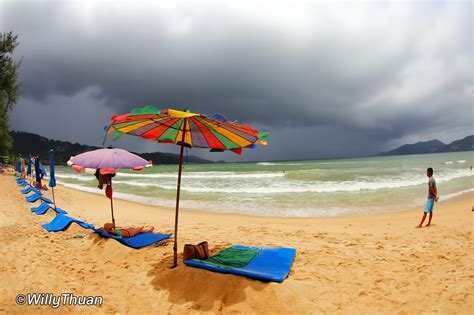
  • 푸켓 날씨 총정리|월별 기온 & 강수량, 여행 옷차림까지 한눈에!

    Rainy Season in Phuket - What does that really mean and what you should ...

    현재 날씨: 흐림, 82°F (28°C)

    일간 예보:

    • 목요일, 6월 12: 최저 기온: 79°F (26°C), 최고 기온: 89°F (32°C), 설명: 흐리고 때때로 소나기나 뇌우가 내림
    • 금요일, 6월 13: 최저 기온: 77°F (25°C), 최고 기온: 90°F (32°C), 설명: 오전 중 몇 차례 소나기; 대체로 흐림
    • 토요일, 6월 14: 최저 기온: 78°F (26°C), 최고 기온: 90°F (32°C), 설명: 약간 흐림
    • 일요일, 6월 15: 최저 기온: 80°F (26°C), 최고 기온: 89°F (32°C), 설명: 약간 흐림
    • 월요일, 6월 16: 최저 기온: 79°F (26°C), 최고 기온: 89°F (32°C), 설명: 흐림
    • 화요일, 6월 17: 최저 기온: 77°F (25°C), 최고 기온: 91°F (33°C), 설명: 오전 중 때때로 비; 흐림
    • 수요일, 6월 18: 최저 기온: 81°F (27°C), 최고 기온: 90°F (32°C), 설명: 오전에 가벼운 비; 흐림

    푸켓 날씨 총정리|월별 기온 & 강수량, 여행 옷차림까지 한눈에!


    ☁️ 푸켓의 기후는?

    푸켓은 태국 남부 안다만 해에 위치한 열대 몬순기후로, 연 평균 기온은 약 27°C, 연 강수량은 약 2,200 mm입니다 .
    계절은 건기(12월~3월)와 우기(5월~10월)로 나뉘며,
    건기는 맑고 강수량이 적으며 여행 적기,
    우기는 오후 집중호우, 덜 붐빔, 숙박 할인 시즌입니다 .
    습도는 높은 편(평균 80% 전후), 큰 일교차는 없지만 열대 기후 특성 상 지속적인 무더움이 특징입니다.


    📅 푸켓 월별 날씨 요약표

    평균기온강수량날씨 특징 및 팁
    1월25°C ~ 28°C45 mm맑음, 건기, 해변 즐기기 최적
    2월26°C ~ 29°C34 mm매우 맑음, 습도 낮음
    3월26°C ~ 29°C60 mm더워짐, 해수욕 및 관광 적합
    4월27°C ~ 30°C115 mm더위 극치, 소나기 가능
    5월27°C ~ 30°C210 mm우기 시작, 오후 비 갈음
    6월26°C ~ 29°C210 mm소나기 빈발, 여행객 감소
    7월26°C ~ 28°C260 mm우기 지속, 습도 매우 높음
    8월26°C ~ 28°C250 mm장마 절정, 해변 파도 주의
    9월25°C ~ 27°C320 mm최다 강수, 적은 일수
    10월25°C ~ 28°C275 mm우기 약화, 간헐적 비
    11월25°C ~ 28°C170 mm건기로 전환, 습도↓
    12월25°C ~ 28°C75 mm맑고 선선, 최고 여행 시즌

    🧥 푸켓 여행 옷차림 요약

    • 건기(12~3월):
      • 반팔, 면 바지/반바지, 선크림, 모자, 선글라스
      • 수영복, 샌들, 얇은 셔츠(저녁용)
    • 우기(5~10월):
      • 빠르게 마르는 기능성 티셔츠, 레인 재킷, 우산
      • 수영복, 비치 쪼리, 모자, 방수 파우치
    • 환절기(4월·11월):
      • 반팔 + 얇은 긴팔 셔츠, 반바지, 방수 재킷 준비
      • 야간 외출용 가벼운 외투 추천

    🎯 푸켓 여행 팁

    1. 최적 여행 시기:
    2. 우기 활용 전략:
      • 시설 좋은 리조트, 스파, 쇼핑몰에서 여유로운 휴식
      • 해안선 변화 주의–팔롱 태풍 가능, 빨간 깃발 나오면 해변 피하기
    3. 비 오는 날 액티비티:
      • 실내 박물관(Phuket Trickeye, 시푸드 맛집 투어), 쿠킹 클래스 등
    4. 비건강 관리:
      • 모기·열대병 대비 모기약, 숙소 방충망 확인
    5. 현지 이벤트·문화:
      • 송끄란(4월) 물 축제, 로이 끄라통(11월) 등이 있으니 일정 맞춰보세요
    6. 교통 주의:
      • 우기엔 도로 미끄러움 주의 → 오토바이 이동 시 신중히!
    7. 가성비 여행 노하우:
      • 우기에 비수기 요금 활용 (리조트, 투어, 항공권)

    📝 요약

    푸켓은 연중 따뜻한 열대기후, **건기(123월)**엔 맑고 여행하기 좋고, **우기(510월)**엔 가끔 소나기가 있어도 전반적 여행에 큰 영향 없음.
    장마철에도 잘 계획하면 해변, 문화, 휴양 모두 즐길 수 있어요.
    여행 목적과 기호에 따라 방문 시기·옷차림·활동을 조절하면 완벽한 푸켓 여행이 될 거예요!


    🔖 해시태그

    #푸켓날씨 #푸켓여행 #태국날씨 #남부태국날씨 #날씨정보 #여행팁 #옷차림 #기후정보 #푸켓기온 #푸켓강수량 #푸켓코디 #푸켓여름 #푸켓겨울 #푸켓우기 #푸켓건기 #푸켓해변 #푸켓스파 #푸켓문화 #푸켓축제 #태국여행


  • 통증과 함께 걷지 못하겠다면? 십자인대파열

    십자인대파열 – 무릎의 주요 증상, 발생 부위부터 치료와 예방까지 완벽 정리

    십자인대파열은 스포츠 활동이 활발해지는 현대사회에서 빈번하게 발생하는 대표적인 무릎 부상입니다. 축구, 농구, 스키와 같은 격한 스포츠를 즐기는 사람이라면 꼭 알아두어야 할 부상 중 하나죠. 단순히 운동선수에게만 생기는 부상이 아닌, 일상생활 중 갑작스러운 사고로도 충분히 발생할 수 있는 만큼 십자인대파열의 증상과 원인, 치료 방법, 그리고 예방까지 자세히 알아두면 무릎 건강을 지키는 데 큰 도움이 됩니다.

    ## 십자인대파열이란?

    십자인대파열은 무릎 관절의 안정성을 유지해주는 ‘십자 모양’ 인대에서 발생합니다. 무릎에는 전방십자인대(ACL)와 후방십자인대(PCL)라는 두 개의 십자인대가 존재하며, 이 인대들이 서로 교차되면서 무릎이 앞뒤로 흔들리는 것을 방지합니다. 그러나 갑작스럽고 강한 힘이 무릎에 가해지면 이 십자인대가 늘어나거나, 심할 경우 파열될 수 있습니다. 특히 전방십자인대는 급격한 방향 전환, 점프 착지, 비틀림 동작에서 흔히 다칩니다.

    ## 십자인대파열의 주요 증상

    십자인대파열이 발생하면 다음과 같은 주요 증상이 나타납니다.

    – 무릎에서 ‘뚝’하는 파열음과 동시에 심한 통증이 느껴집니다.
    – 무릎이 빠르게 붓고, 움직일 때 통증이 동반됩니다.
    – 부상 이후 무릎이 지지되지 않고, ‘흔들리는 느낌’의 불안정감이 나타납니다.
    – 관절을 완전히 펴거나 굽히는 것이 어렵고, 운동 범위가 제한됩니다.
    – 점프하거나 방향을 돌릴 때 무릎에 강한 통증이나 불편감이 심해집니다.
    – 계단 오르내리기가 힘들고, 부상을 당한 쪽 다리에 체중 싣기가 어렵습니다.

    급성기에는 충격과 통증, 부종이 동반되고, 증상이 오래 지속되면 만성적 무릎 불안정성과 관절 질환으로 이어질 수 있으니 정확한 진단과 조기 치료가 중요합니다.

    ## 십자인대파열이 잘 발생하는 부위

    십자인대파열은 주로 무릎 관절 내에서 발생합니다. 특히, 전방십자인대(ACL)는 빠른 방향 전환, 달리기, 점프 착지 등의 상황에서 파열될 위험이 높습니다. 반면, 후방십자인대(PCL) 파열은 교통사고 등 강한 외상에 의해 무릎 뒤쪽에 충격이 가해질 때 자주 발생합니다. 미끄러져 넘어지거나, 점프 동작 도중 제대로 착지하지 못했을 때도 손상이 찾아올 수 있습니다.

    ## 십자인대파열의 주요 원인 및 위험요인

    십자인대파열의 원인은 다음과 같습니다.

    – 축구, 농구, 스키 등 순간적인 방향전환이 많은 스포츠 활동
    – 계단이나 평지에서의 추락, 넘어지기 등 생활 중 외상
    – 잘못된 점프 자세로 인한 착지
    – 허벅지 근육의 약화, 무릎 주변 근력 부족
    – 무릎에 반복적으로 미세한 충격이 누적될 때
    – 이전에 무릎을 다친 적이 있는 경우 위험성이 높습니다

    특히, 많은 운동량이 요구되는 학생, 직장인, 전문 운동선수뿐 아니라, 무릎 근력이 약해진 중장년층 역시 안심할 수 없습니다. 평소 무릎에 질환이 있거나 관절염이 진행 중인 경우에도 손상의 가능성이 더욱 커집니다.

    ## 십자인대파열 치료 및 재활

    십자인대파열의 치료는 부상 정도와 환자의 연령, 활동 특성 등에 따라 결정됩니다.

    1. **보존적 치료**: 인대 손상이 경미하거나, 활동량이 크지 않은 경우에는 수술 대신 보조기 착용, 물리치료, 휴식, 소염제 복용 등의 비수술적 방법이 먼저 시도됩니다.
    2. **수술적 치료**: 인대가 완전히 파열되었거나, 무릎의 불안정감이 매우 크고, 스포츠 활동을 지속해야 하는 경우라면 십자인대 재건술이 필요할 수 있습니다. 최근에는 관절경을 이용한 미세수술로 회복이 빠르다는 장점이 있습니다.
    3. **재활운동**: 수술 후에는 반드시 재활치료가 필수입니다. 적절한 시기, 체계적인 관절 가동 범위 회복, 근력 강화 훈련, 밸런스 훈련을 통해 완벽한 기능 회복이 가능합니다. 재활 기간은 개인별로 차이가 있지만, 최소 6개월 이상 꾸준한 관리가 요구됩니다.
    4. **맞춤형 치료**: 각 환자의 상태, 신체활동 수준, 손상 정도에 따라 의료진과 충분히 상담 후 치료 방침을 결정하는 것이 중요합니다.

    ## 십자인대파열 예방 방법

    십자인대파열을 사전에 막기 위해 실천할 수 있는 예방법은 다음과 같습니다.

    – 운동 전 충분한 스트레칭 및 준비운동으로 무릎을 미리 풀어줍니다.
    – 허벅지, 종아리 등의 근력 강화 및 유연성 운동을 병행합니다.
    – 운동이나 활동 시 올바른 자세를 유지하는 습관이 중요합니다.
    – 경사가 심한 곳이나 미끄러운 환경에서는 무릎이 비틀리지 않도록 주의합니다.
    – 운동 강도를 서서히 높이고, 무리가 간다 싶을 때는 즉시 휴식을 취하세요.
    – 필요할 때는 무릎 보호대나 테이핑 등 보호장비를 착용할 것을 고려합니다.
    – 평소 무릎 건강에 관심을 가지고, 통증이나 불편함이 나타나면 초기에 점검합니다.

    ## 자주 묻는 질문 (FAQ)

    **Q. 십자인대파열을 방치하면 어떻게 되나요?**
    A. 파열된 십자인대를 오랫동안 방치할 경우 만성 무릎 불안정성이 발생하고, 연골 손상 및 퇴행성 관절염으로 이어질 수 있습니다. 빠른 진단과 치료로 합병증을 예방하는 것이 중요합니다.

    **Q. 수술 후 운동 복귀는 언제 가능한가요?**
    A. 보통 수술 후 6개월에서 1년 정도의 집중 재활을 거친 뒤 일상 생활 및 스포츠로 복귀가 가능합니다. 무리하지 않고 의료진의 권고를 따르는 것이 안전합니다.

    **Q. 십자인대가 부분적으로 파열된 경우도 수술이 필요한가요?**
    A. 부분 파열이라면 통증과 무릎의 안정성, 환자 상태에 따라 보존적 치료만으로도 충분할 수 있습니다. 그러나 불안정감이 지속된다면 수술적 치료를 고려할 수 있으니 의료진과 상의가 필요합니다.

    ## 마치며

    십자인대파열은 누구에게나 발생할 수 있는 무릎의 대표적인 부상입니다. 통증이나 불안정감 등 초기 증상을 가볍게 여기지 말고, 빠른 시일 내에 전문의의 진단을 받는 것이 중요합니다. 증상 악화 및 합병증 예방을 위해 치료와 재활을 충분히 거치며, 무릎 건강을 위해 평소 스트레칭과 근력 운동 등 예방 습관을 실천하시기 바랍니다.

    *본 정보는 참고용으로, 실제 증상 발생 시에는 반드시 병원을 방문하여 전문 진료를 받으시기 바랍니다.*